

Advantages and Disadvantages of Rock Wool Board
Published:
Views:
In projects of external continuous insulation, curtain wall filling, roof thermal insulation and industrial equipment insulation, rock wool board is a key insulation material for engineering purchasers and contractors to compare. Every insulation material has its advantages and limitations. A comprehensive understanding of rock wool’s performance helps engineers select materials according to fire requirements, budget and construction conditions. We should neither overstate material performance nor ignore its irreplaceable value in specific engineering scenarios.
1. Irreplaceable core advantages of rock wool board
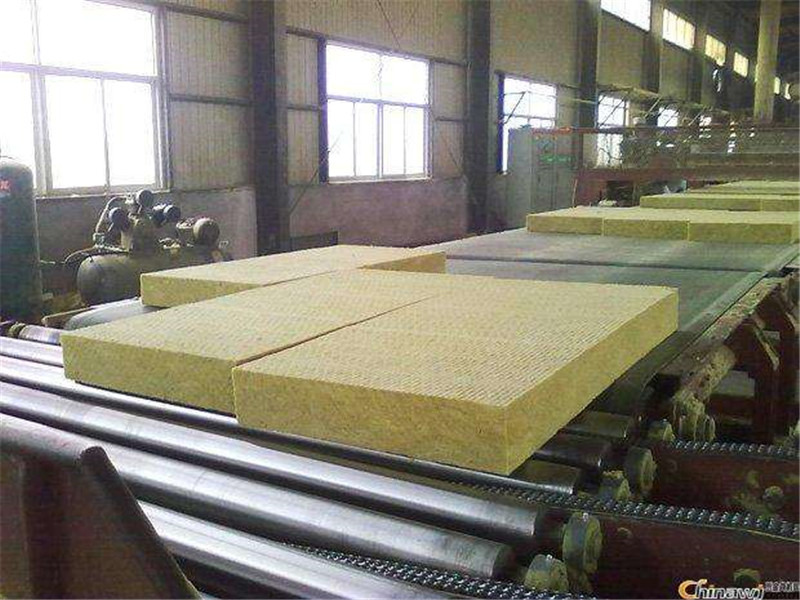
Made mainly from basalt, rock wool board is formed by high-temperature melting and centrifugal fibre spinning. Its Class A non-combustible property is the most irreplaceable feature. In fire events, rock wool will not burn or release massive toxic smoke. Its melting point exceeds 1000℃, which can block flame spread and protect steel and concrete building structures. For high-rise buildings, commercial complexes, plant fire retrofitting and curtain wall insulation with mandatory fire codes, organic foam boards such as EPS and XPS cannot meet equivalent fire standards. Rock wool is a mandatory compliant material for these projects, and no other insulation can serve as a direct substitute.
Its interwoven mineral fibre structure delivers outstanding sound absorption, suitable for plant rooms, partition walls and basements to achieve thermal insulation and noise reduction simultaneously. As an inorganic material, rock wool features stable chemical properties, corrosion resistance and anti-ageing performance. Its thermal performance decays slowly under long-term outdoor exposure, with service life matching the building, far better than organic insulation boards.
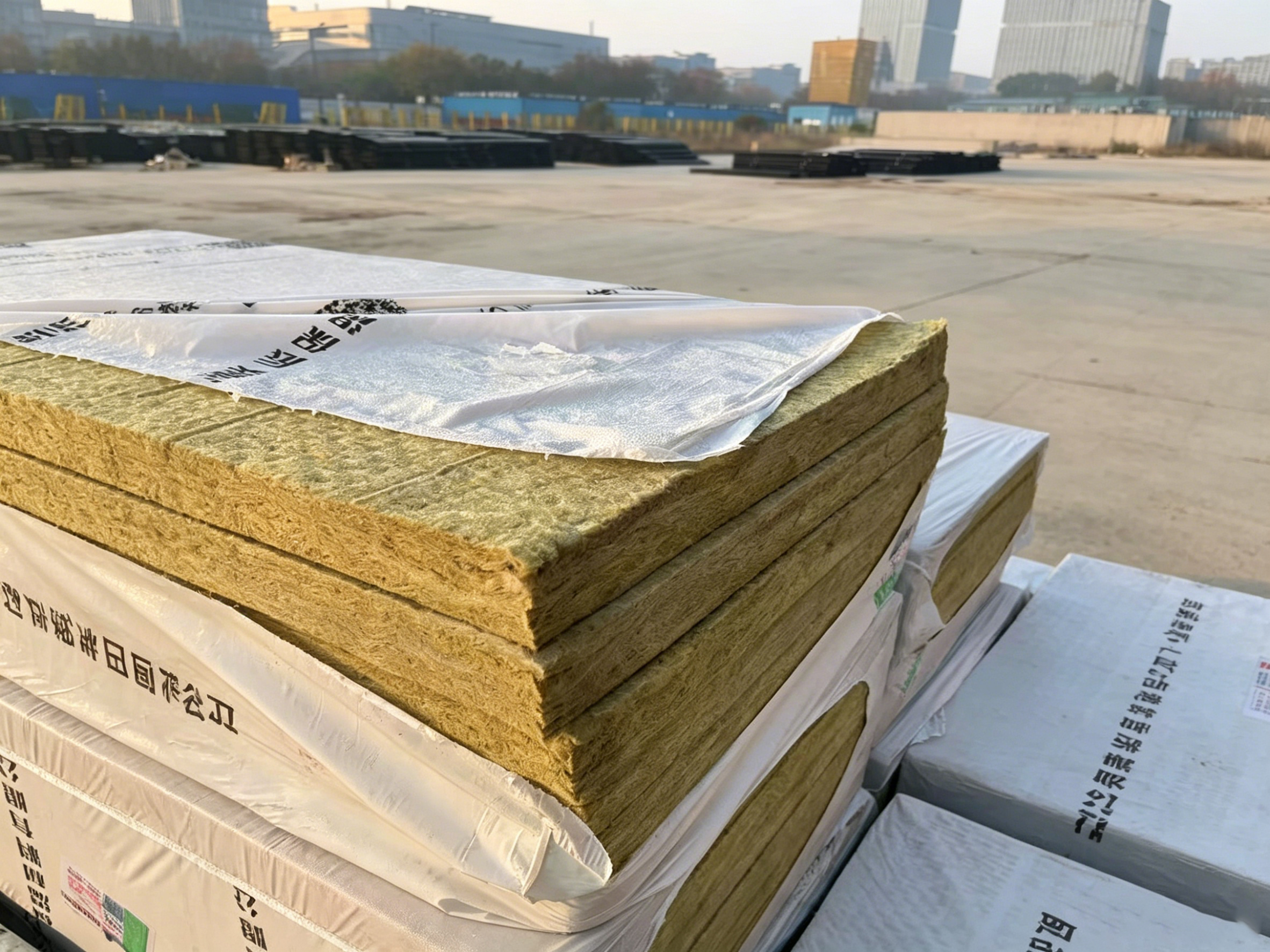
A wide range of specifications is available with custom density and thickness. High-density rock wool offers high compressive strength for external continuous insulation; medium-density boards are widely used for roof insulation; low-density boards focus on sound absorption. As a direct manufacturer, Haochen Insulation supplies rock wool boards of 60–180kg/m³ and 30–200mm thickness for residential, commercial and industrial projects.
2. Disadvantages of rock wool board
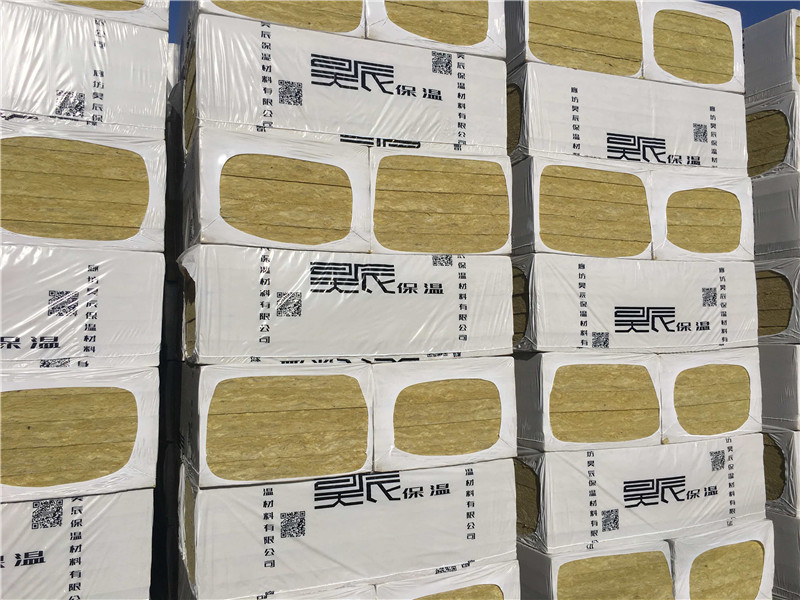
Firstly, mineral fibre dust will be generated during on-site cutting. Fine mineral fibres are released when cutting and handling boards, which may irritate skin and respiratory tracts. Installers must wear dust masks, protective gloves and long‑sleeved workwear. Compared with foam insulation boards, rock wool cutting is more complicated, with rough edges, chipping and higher waste rate, leading to higher labour costs.
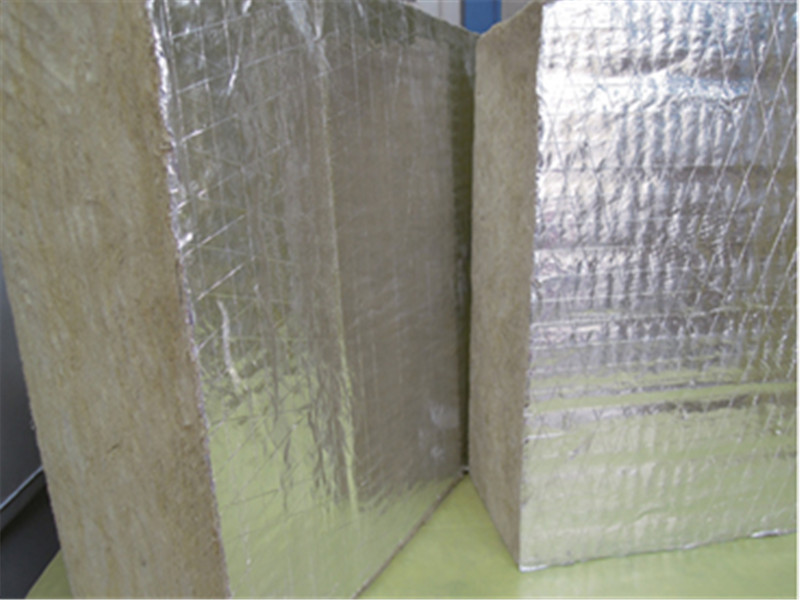
Secondly, the porous structure allows moisture absorption. Rock wool itself will not rot, yet when large amounts of moisture penetrate into the board, fibres will soften, thermal conductivity rises and thermal insulation performance deteriorates. Rock wool insulation systems must be equipped with water‑resistant breathable membranes and vapour barriers. All board joints shall be sealed. It requires strict workmanship and more construction steps.
Thirdly, the board is heavy and brings higher overall project cost. At the same thickness, rock wool board is much heavier than foam insulation, increasing wall load. External wall projects require longer and more dense insulation fasteners, raising auxiliary material costs. High costs of basalt raw materials and high energy consumption for high-temperature melting result in higher base price. Together with labour and accessory costs, total project cost is higher. Careful evaluation is needed for simple factory projects with limited budgets.
Haochen Insulation, manufacturer of rock wool boards, believes every insulation product has two sides. The drawbacks of rock wool are inherent physical properties of mineral fibre materials and cannot be completely eliminated. Nevertheless, its unique Class A fire resistance, long-term sound absorption and ageing resistance make it irreplaceable for construction projects with strict fire control requirements. With pre-designed moisture-proof and air-tight solutions, standardised anchoring installation and properly selected density, the adverse impacts of material limitations can be minimised. Haochen Insulation provides rock wool board selection solutions, matching insulation fasteners and full construction technical guidance for global engineering clients. FOB quotations are available according to project specifications.


 Hot Picks