

Is Rock Wool Good for Thermal Insulation?
Published:
Views:
Haochen rock wool boards feature low thermal conductivity and reliable, consistent thermal performance, suitable for external wall, roof and HVAC insulation projects.
Rock wool board is a high-performance thermal insulation material widely adopted across many types of building projects. It delivers long-term stable heat blocking and temperature control for building structures.
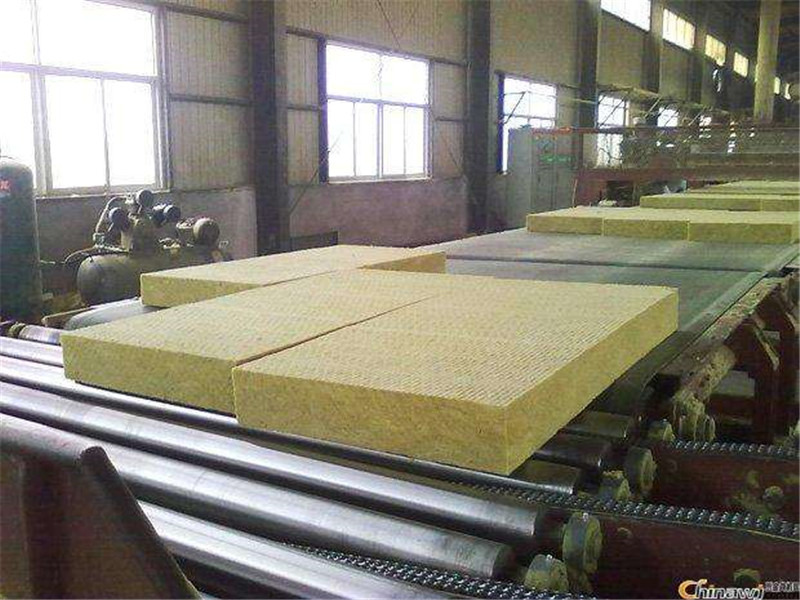
Manufactured from basalt stone, rock wool is formed by melting and spinning the raw material into a dense, porous fibre structure. The structure traps stationary air within its fibres. Still air acts as one of the most effective natural insulators, and this design greatly slows heat transfer between warm and cold surfaces.
The typical thermal conductivity (λ) of Haochen rock wool boards falls within the range of 0.034~0.040 W/mK. A low lambda value means the material can restrict heat flow efficiently. In winter, it retains indoor heat and cuts heating energy use; in summer, it stops outdoor heat penetrating into buildings and reduces air‑conditioning consumption.
Compared with other insulation materials, rock wool boards offer a major advantage: thermal performance remains stable for decades. It will not shrink or sag under normal working conditions, and its insulating properties will not degrade over long service life. Unlike foam insulation, the hydrophobically treated boards will not suffer permanent loss of insulation performance after brief exposure to moisture.
How to Select Rock Wool Board Thickness for Thermal Insulation
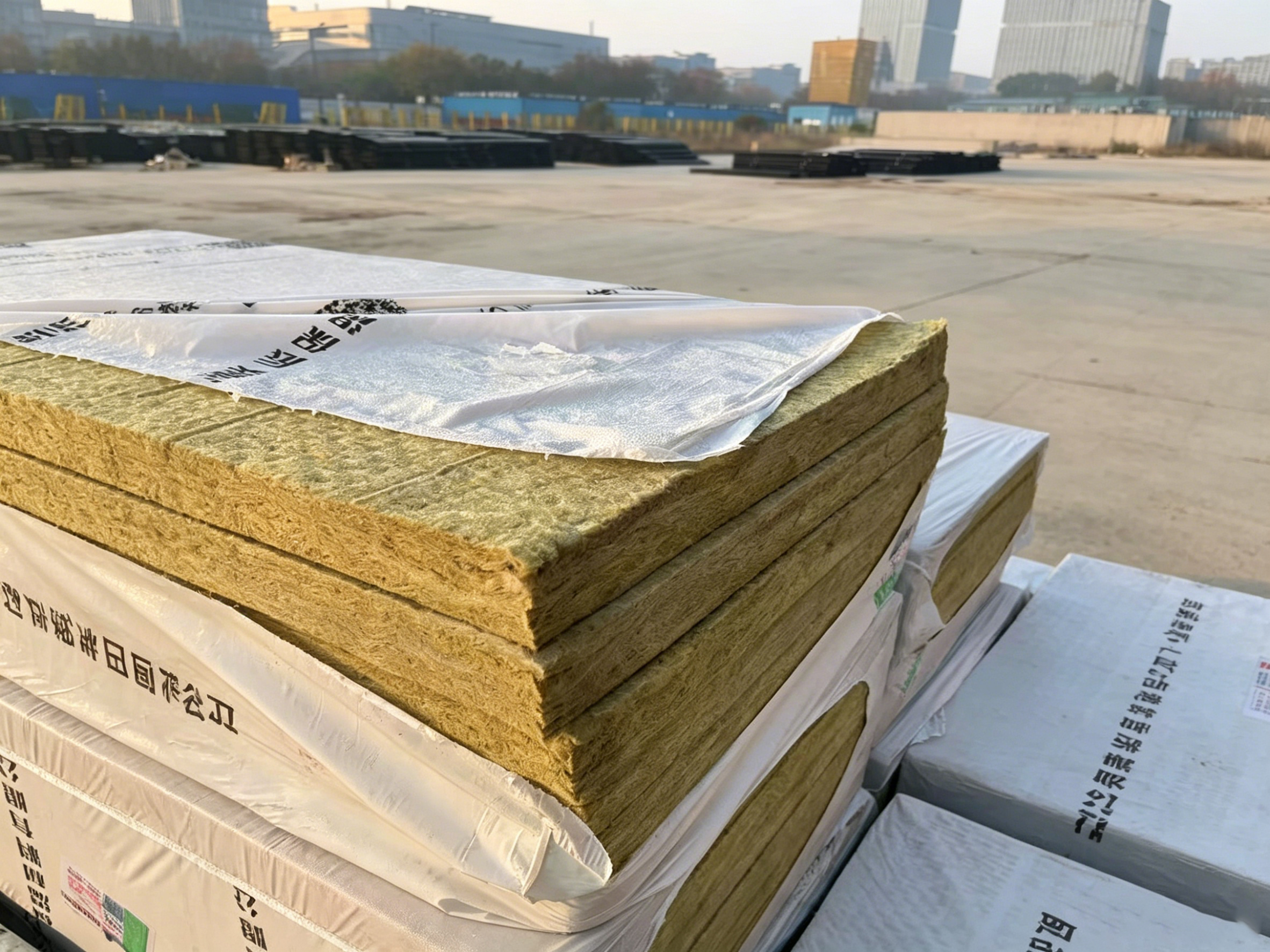
The required thickness of rock wool board depends on target U‑value, local climate and building envelope design. 50mm rock wool boards are commonly used for partition walls and light‑duty thermal protection; 100mm boards suit cavity walls and standard external wall insulation for residential buildings; 150mm–200mm boards are ideal for flat roofs, heavy‑load external walls, hospitals and large commercial building projects.
Thicker rock wool boards provide higher thermal resistance. For cold climate regions, engineers usually specify 100mm or thicker boards to meet local building regulation requirements.
Additional Benefits Beyond Thermal Insulation
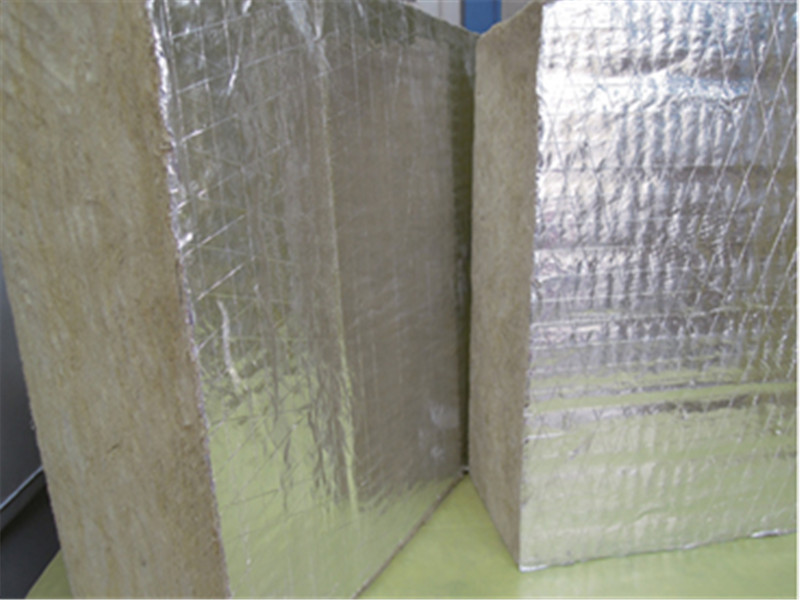
Thermal insulation is the core function of rock wool, and rock wool boards also bring multiple practical advantages for building purchasers. The material is non‑combustible, making it well suited for high‑rise buildings and public facilities. The boards deliver effective sound absorption, lowering noise transmission through walls and roof assemblies. We can supply custom density options and foil‑faced variants for HVAC ductwork and facade installation.
Conclusion
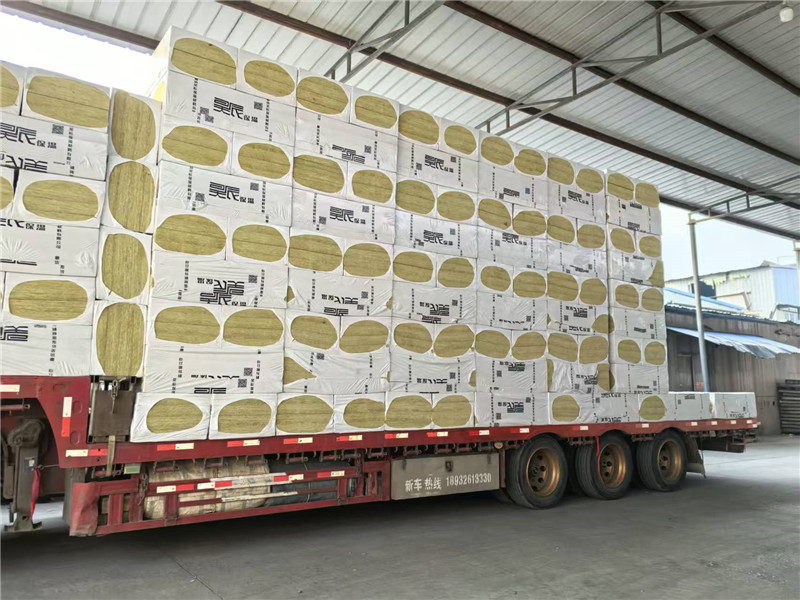
Rock wool performs exceptionally well for thermal insulation. Haochen rock wool boards combine stable thermal performance, fire resistance and a long service life, making them a versatile insulation solution for residential, commercial, industrial and HVAC projects. Haochen supplies rock wool boards in a full range of sizes, including plain slabs and foil‑faced boards. Please contact us for technical data sheets and bulk quotations.


 Hot Picks