

What Are the Downsides of Rock Wool Insulation?
Published:
Views:
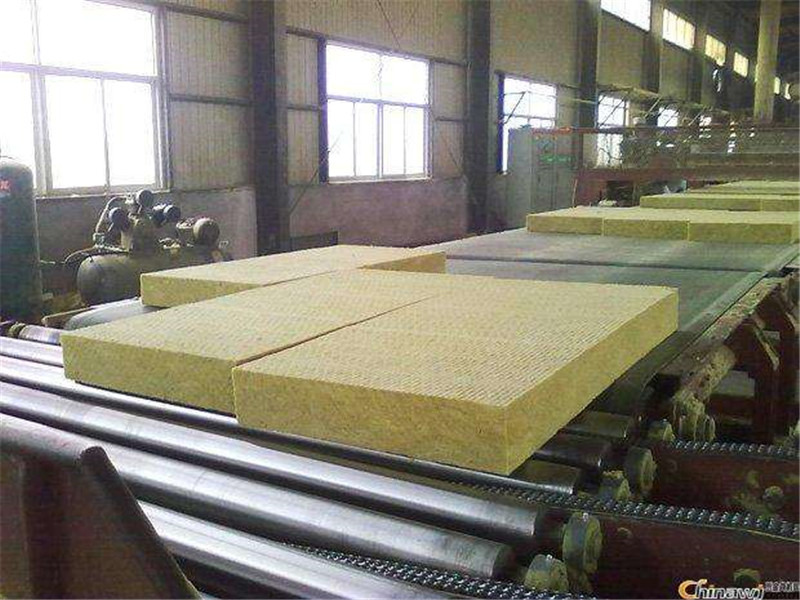
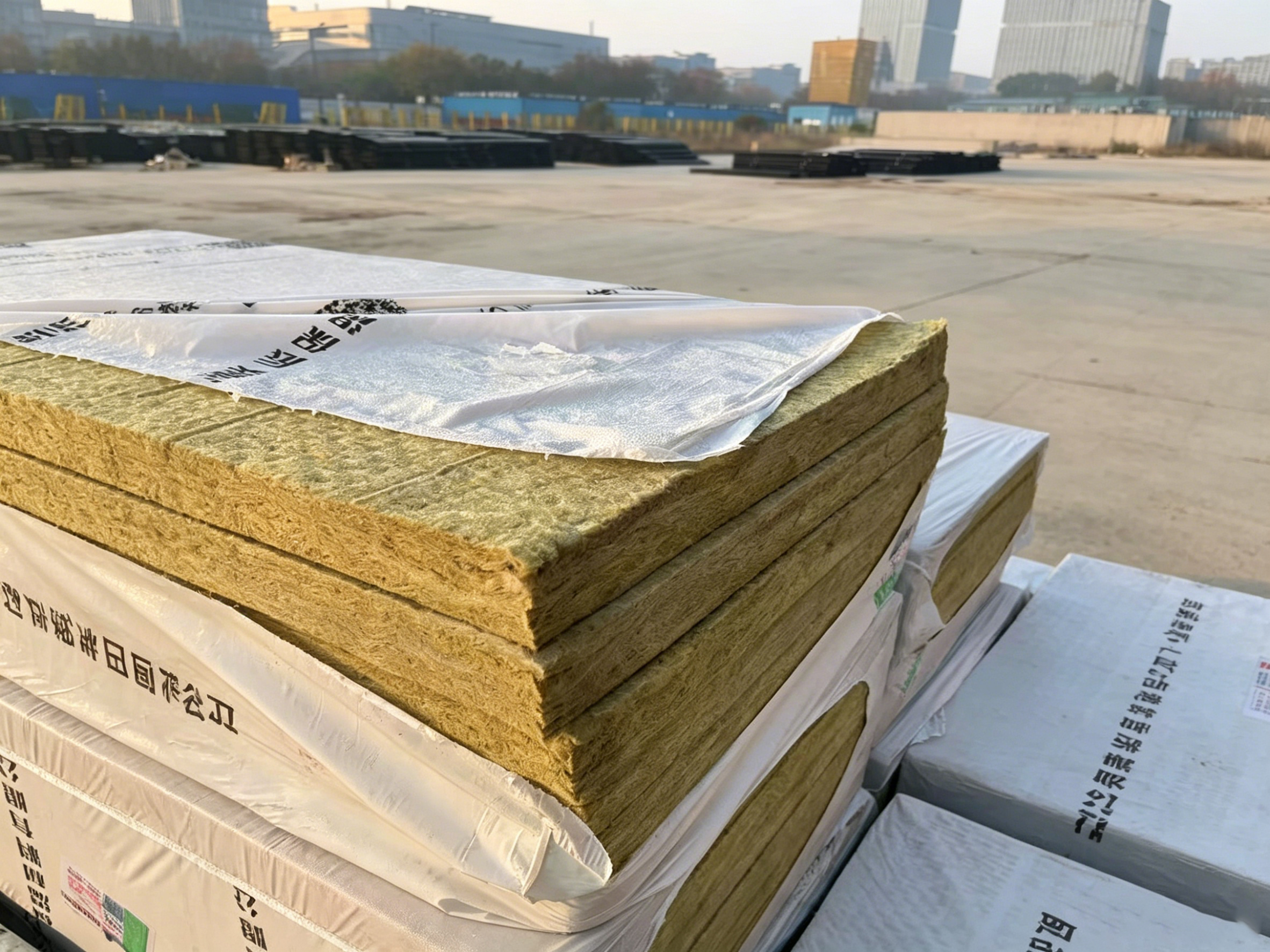
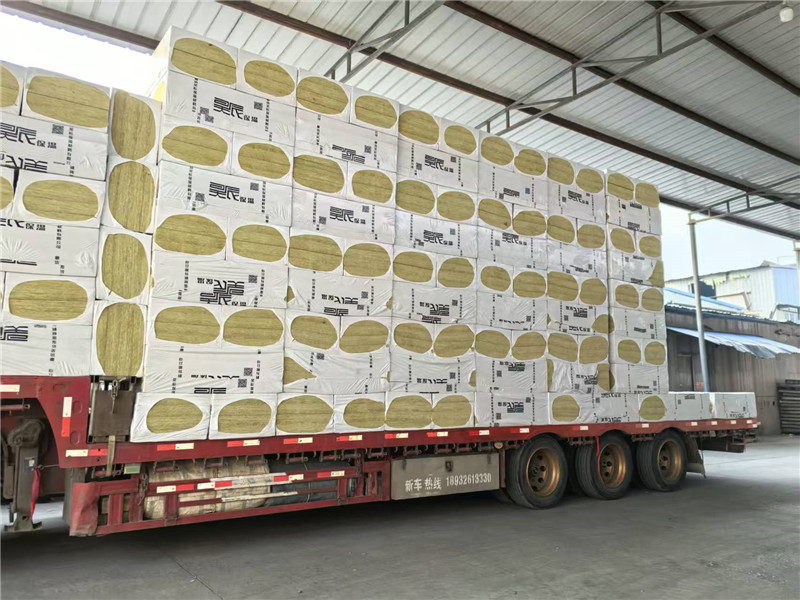
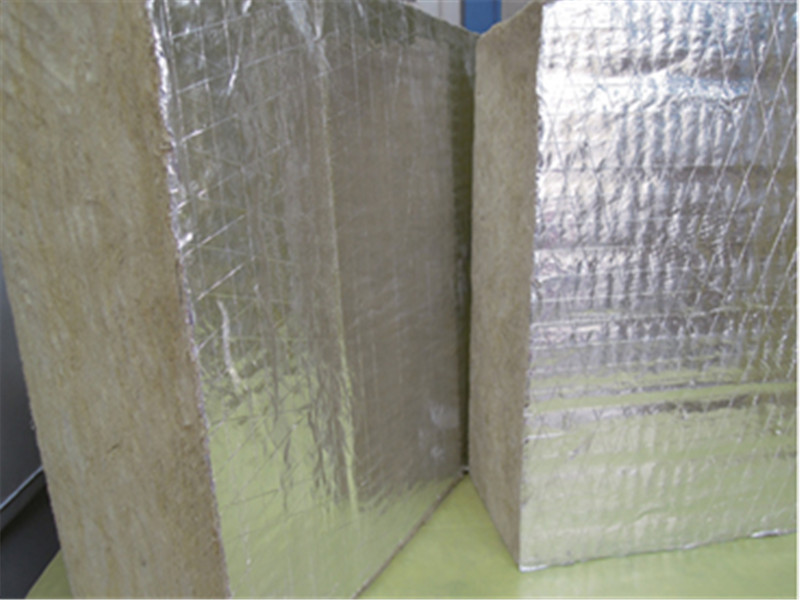
HaoChen Insulation notes: Rock wool is an A1 non-combustible mineral fibre insulation board with outstanding fire resistance, water repellency and acoustic absorption, widely used in various construction projects. However, rock wool is not a universal material and has its own limitations. Below is a comparison between rock wool boards and XPS, polyurethane insulation and rubber foam insulation, focusing on the drawbacks of each material.
Rock Wool Board VS XPS (Extruded Polystyrene)
Downsides of rock wool boardThe board is relatively heavy. Handling and cutting rigid boards require more labour, leading to lower construction efficiency compared with XPS. Mineral fibre dust is generated during cutting, which may irritate the skin and respiratory tract. Full protective gear must be worn during installation. At the same thickness, rock wool has a higher thermal conductivity than XPS. To achieve equivalent thermal performance, thicker rock wool boards are required. It has a higher unit purchase price and increases upfront material costs for projects.
Downsides of XPSIt has limited fire performance and cannot meet the A1 non-combustible standard. Toxic smoke will be released under high temperatures, resulting in poor fire resistance. Long-term use causes shrinkage and ageing. Gaps tend to form between boards, and thermal insulation performance gradually declines year by year. It has low vapour permeability. Improper structural design may trap moisture and cause condensation.
Rock Wool Board VS Polyurethane Insulation (PIR/PUR)
Downsides of rock wool boardIts thermal conductivity is inferior to polyurethane boards. Greater board thickness is needed to achieve the same thermal resistance. The board is rigid with low flexibility, making it difficult to fit curved or irregular surfaces. Higher unit procurement cost means larger upfront project investment. Fibre dust is produced during cutting, imposing strict personal protection requirements on site.
Downsides of polyurethane insulationIt cannot reach A1 non-combustible grade. It burns when exposed to open flame and releases harmful flue gas. Its insulation performance degrades significantly under high temperatures, and its long-term high-temperature resistance is far weaker than rock wool. Poor UV resistance. It will age and degrade rapidly if exposed directly and must be covered with an extra protective layer.
Rock Wool Board VS Rubber Foam Insulation
Downsides of rock wool boardThe hard board cannot be bent easily, so it is less convenient than rubber foam for installation on curved pipe sections. Its fibres are irritant, requiring strict protective measures during on-site installation. Thicker rock wool boards are needed to deliver the same insulation effect, occupying more installation space. Although it is water-repellent, its overall waterproof sealing performance is weaker than rubber foam.
Downsides of rubber foam insulationIt has fire-performance limitations and cannot achieve A1 non-combustibility, restricting its use in high-temperature working conditions. It features a narrow operating temperature range and is unsuitable for scenarios such as high-temperature pipelines or external wall fireproof insulation. The material tends to harden and crack after long service, with a shorter service life than rock wool. Some rubber foam products contain organic volatile substances, which may release hazardous materials under high temperatures.
Conclusion
HaoChen Insulation recommends: Every type of insulation material has its own strengths and weaknesses, and all products have two sides. There is no perfect insulation material. While rock wool excels in fire resistance, moisture resistance and noise reduction, it has drawbacks in weight, construction convenience, thermal conductivity and cost. XPS, polyurethane and rubber foam insulation also have their own application limits and defects.
Therefore, material selection should not be based on simple judgement of good or bad. The most suitable insulation material should be chosen according to project working conditions, fire codes, service environment, budget and other comprehensive factors.
Previous Article
Rock Wool Insulation Board vsNext Article
Is Rock Wool Good for Thermal

 Hot Picks