

How to Install Stone Wool Board for External Wall Insulation
Published:
Views:
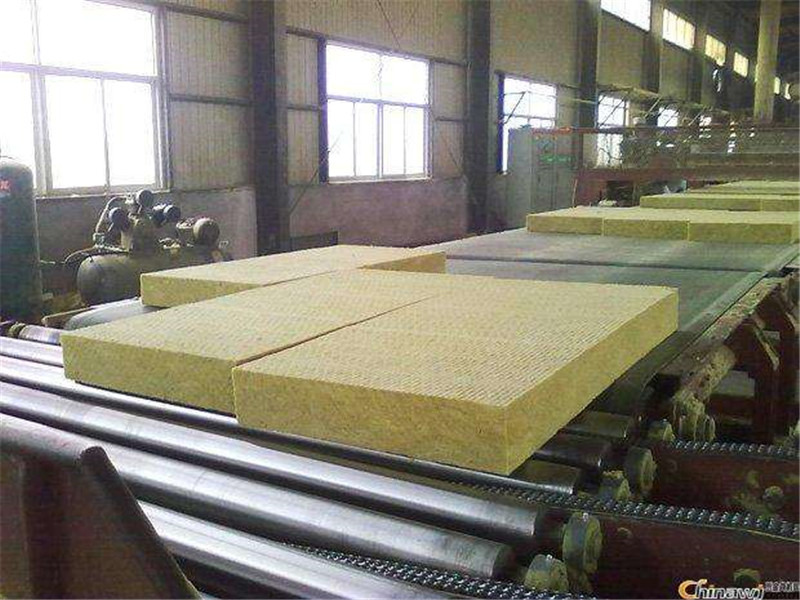
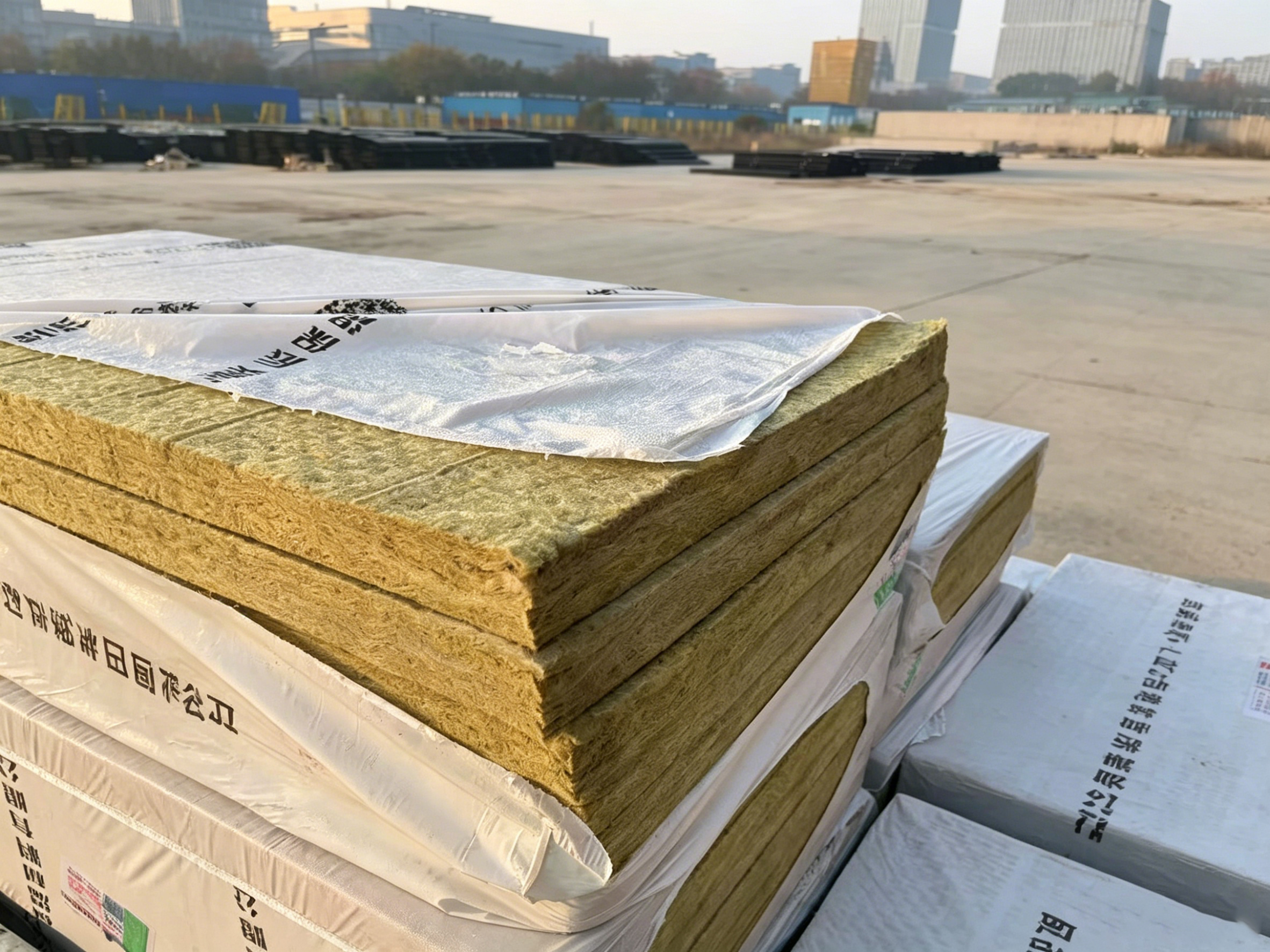
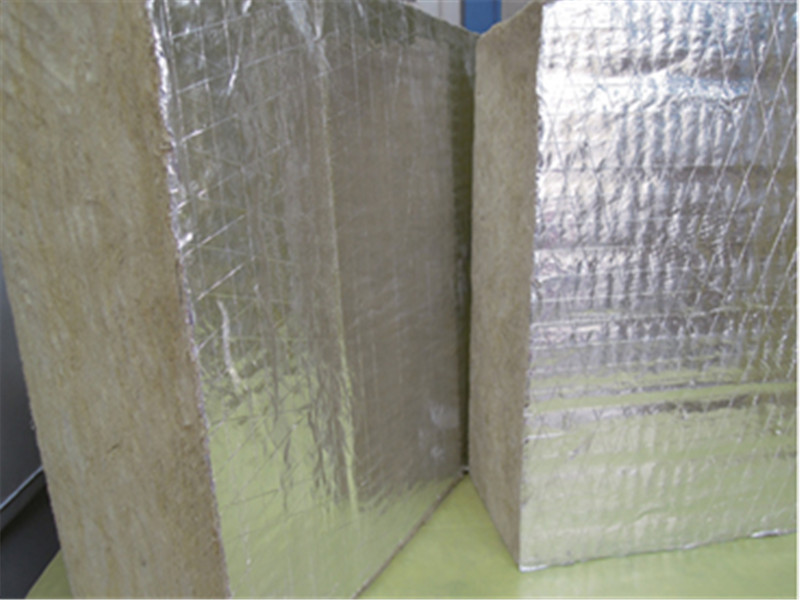
Many residential and commercial buildings suffer from severe heat loss, uncomfortable indoor temperature fluctuations and inadequate fire protection without proper exterior insulation. External wall insulation, also known as the ETICS (External Thermal Insulation Composite System), fixes insulation materials to the outer side of a building’s facade. Stone wool boards are Euroclass A1 non-combustible inorganic insulation panels, featuring excellent thermal stability and sound absorption, with water-repellent variants available. They are widely used for the exterior insulation of houses, factories, office buildings and multi-storey facades. As a professional stone wool board manufacturer, Haochen Thermal Insulation will walk you through the standard installation procedure for external stone wool insulation, together with common construction mistakes to avoid.
Important Note: This guide covers the thin-coat render ETICS system with mechanical fixing. Construction is prohibited when the ambient temperature falls below 5°C, during heavy rain or strong winds. The substrate wall must be solid, dry and free of efflorescence or mould before work commences.
1. Required Materials and Tools
Materials: Haochen Thermal Insulation facade stone wool boards (recommended density ≥140kg/m³; thickness selected according to design requirements), special adhesive mortar for external walls, insulation fixings, alkali-resistant fibreglass mesh, base coat render, finishing render, stone wool starter brackets, corner beads. Tools: Tape measure, straight edge, spirit level, insulation saw, trowel, rotary hammer, club hammer. Protective equipment: Dust mask, protective gloves, long-sleeved workwear. Stone wool fibres may irritate the skin and respiratory tract, so protective gear must be worn during cutting and installation.
2. Step 1: Substrate Wall Preparation
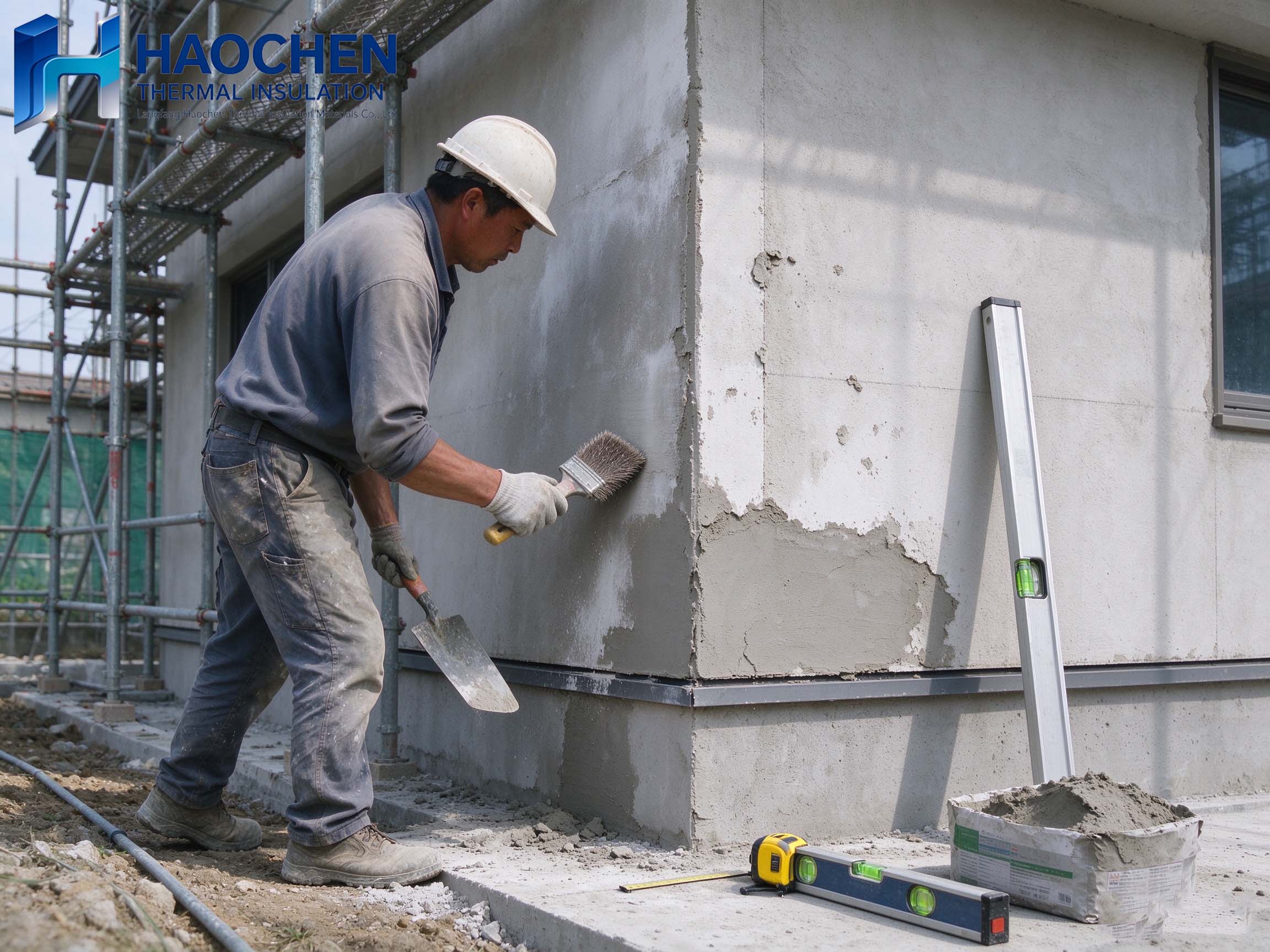
Remove dust, grease, loose mortar and peeling sections from the exterior wall. Repair cracks, hollow areas and uneven surfaces. Check the wall for water seepage or dampness and carry out damp-proof remediation if moisture is detected. Fit stone wool starter brackets along the bottom of the wall to support the first course of boards. Snap horizontal and vertical control lines to mark out the layout of insulation panels.
3. Step 2: Apply Adhesive Mortar to Stone Wool Boards
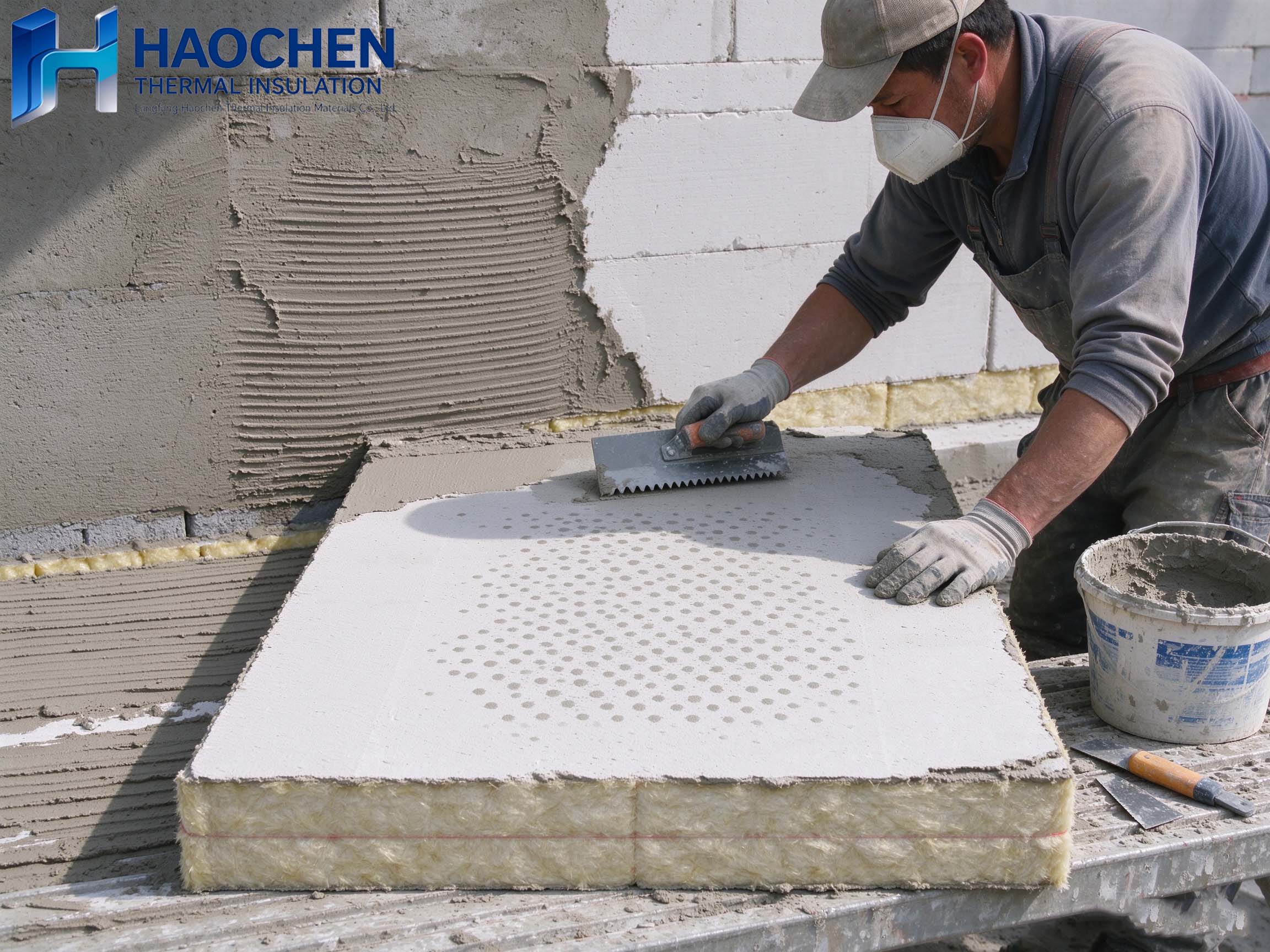
Facade stone wool boards are installed using the perimeter-and-dab bonding method: apply adhesive strips around the four edges of each board, then place several adhesive dabs in the centre. The bonded area should account for no less than 50% of the board surface. Do not spread adhesive onto board joints, and avoid smearing mortar over the front face of the stone wool panel.
4. Step 3: Staggered Installation of Stone Wool Boards
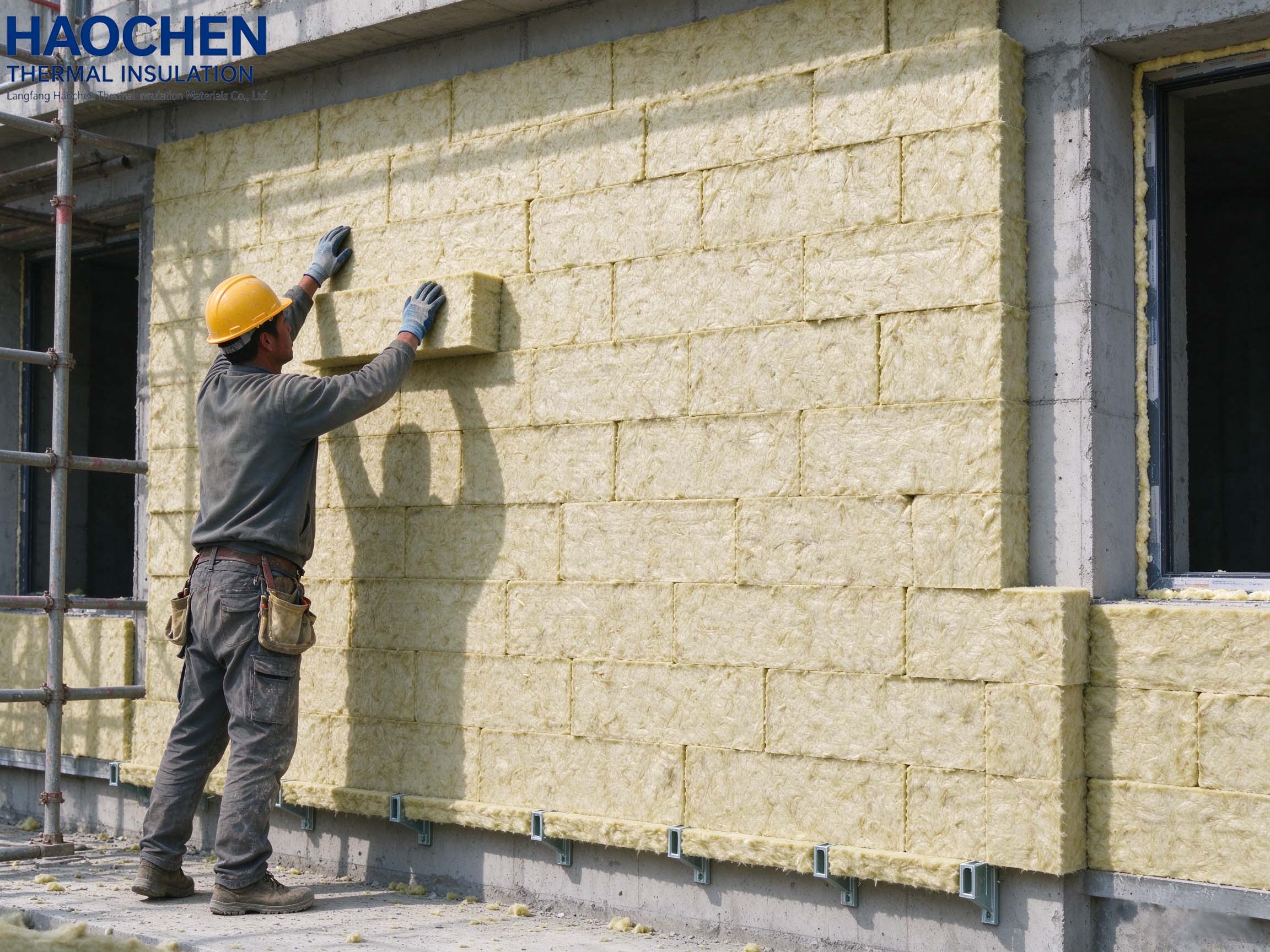
Fit stone wool boards from bottom to top in a running-bond staggered pattern. Offset vertical joints between adjacent rows to prevent continuous straight gaps. Butt boards tightly together. Any gaps wider than 2 mm must be filled with matching stone wool strips; never fill gaps with mortar. At building corners, interlock boards from both sides to form a rigid corner. For window and door openings, cut panels from a single full board wherever possible. Avoid small spliced joints at stress-bearing opening corners.
5. Step 4: Mechanical Fixing with Insulation Fixings
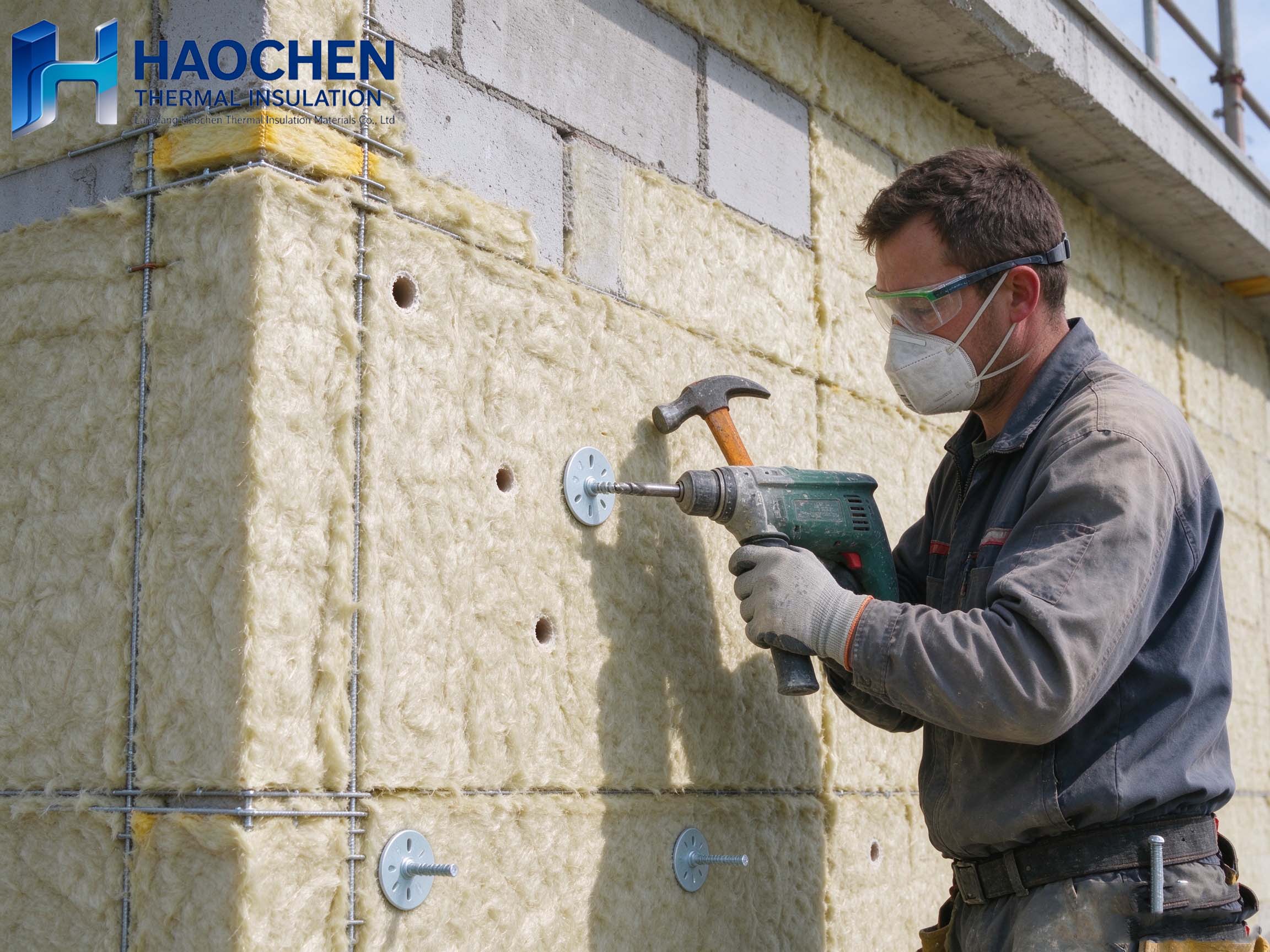
Wait until the adhesive mortar has fully cured (normally 24 hours). Drill holes and insert insulation fixings to secure the stone wool boards firmly to the wall. A minimum of 6 fixings per m² is standard; add extra fixings at wall corners, floor edges and window surrounds to improve wind resistance. The fixing discs should sit flush with the panel surface without compressing the stone wool fibre structure.
6. Step 5: Embed Alkali‑Resistant Fibreglass Mesh
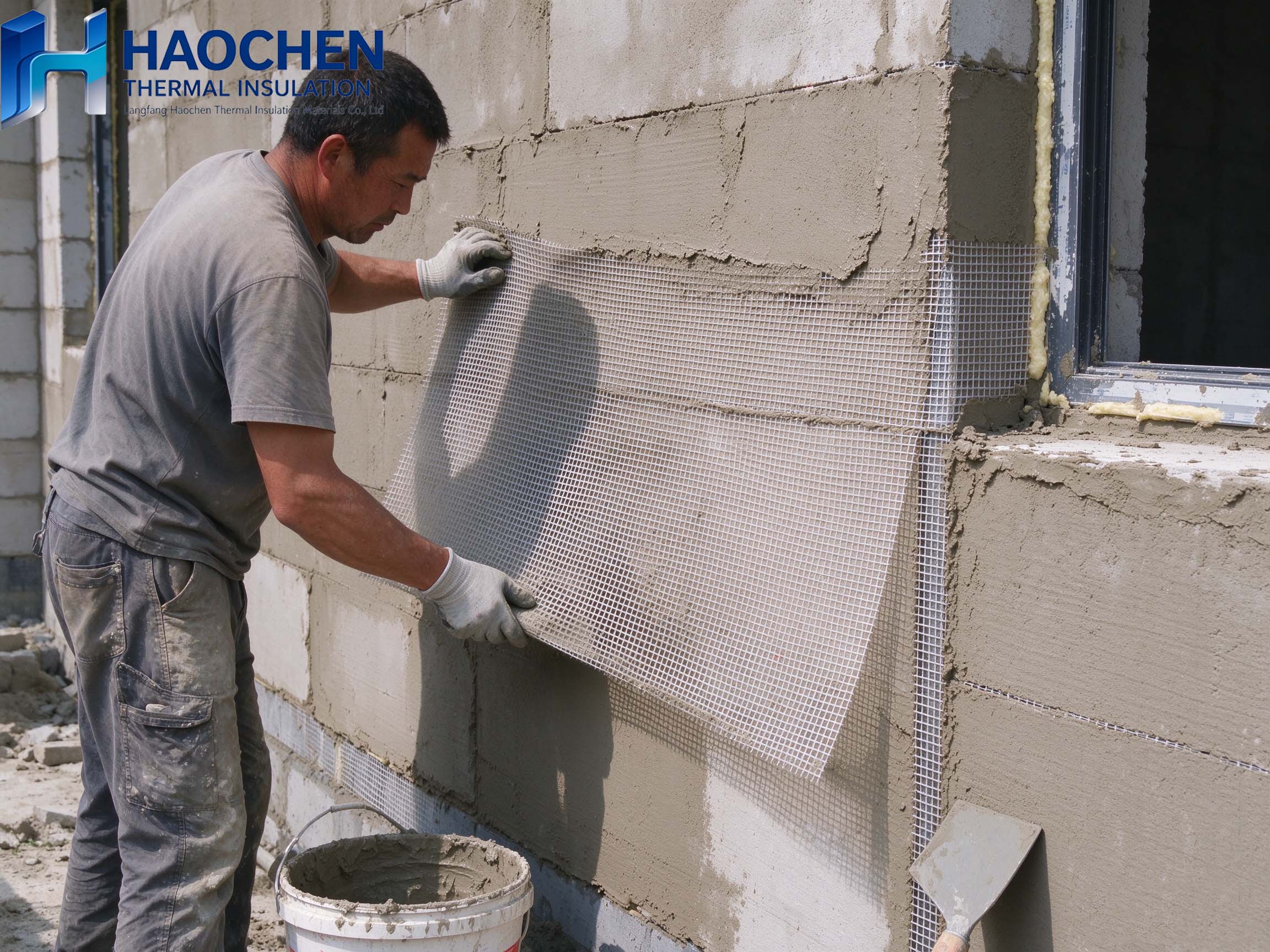
Spread a thin layer of base coat render over the stone wool boards, then press alkali‑resistant fibreglass mesh into the wet render. Overlap mesh seams by a minimum of 100 mm. Add an extra reinforcing layer of mesh at corners, window lintels and ground-floor zones. The mesh must be fully embedded within the base coat and must not be exposed. This layer prevents cracking of the exterior render finish.
7. Step 6: Base Coat and Finishing Render
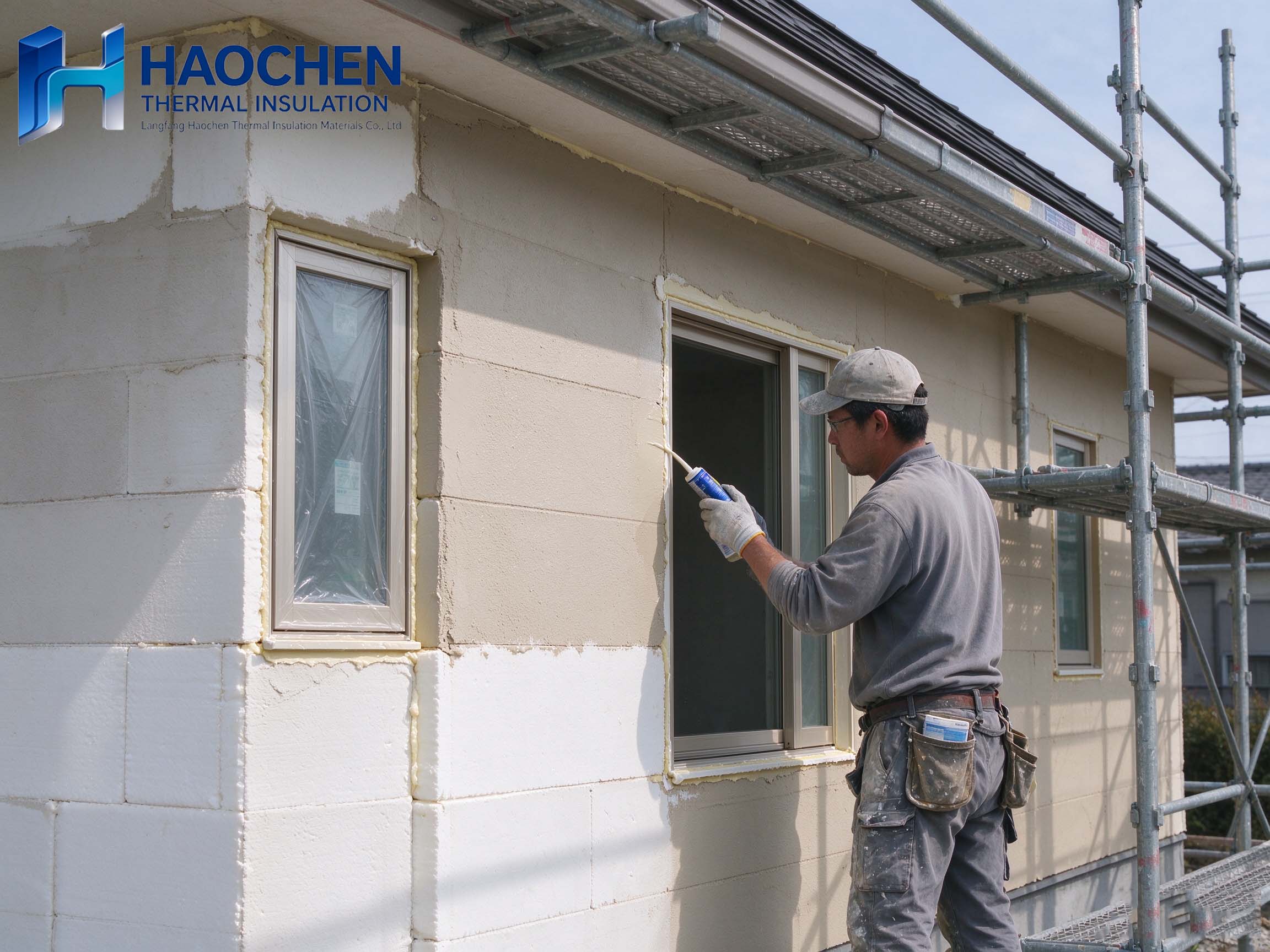
Once the reinforced base coat has cured, apply the finishing render. Seal all gaps around windows, doors and expansion joints with weatherproof sealant. After the finishing render is fully cured, exterior paint or decorative coatings can be applied.
8. Key Construction Precautions
Facade stone wool boards are Euroclass A1 non-combustible and deliver outstanding fire performance for building exteriors. Never compress stone wool boards during installation, as compression will reduce thermal performance and shorten service life. Keep board joints tight and staggered to minimise thermal bridges. Do not carry out works in rainy, frosty or high-humidity conditions. Protect newly installed insulation from rain before the render system is completed.
9. Selection Tips for External Stone Wool Boards
Facade stone wool boards require far higher density and tensile strength than internal wall stone wool. For thin-coat external insulation systems, stone wool boards with density ≥140kg/m³ are preferred, offering stable pull-out strength and wind resistance, with lower risk of deformation and cracking. Before purchasing, confirm project wind load requirements, fire rating, thermal conductivity and ETICS system compatibility. Stone wool boards of different densities show major differences in pull strength and dimensional stability. Send us your project parameters, and Haochen Thermal Insulation will recommend a suitable facade stone wool solution.


 Hot Picks