

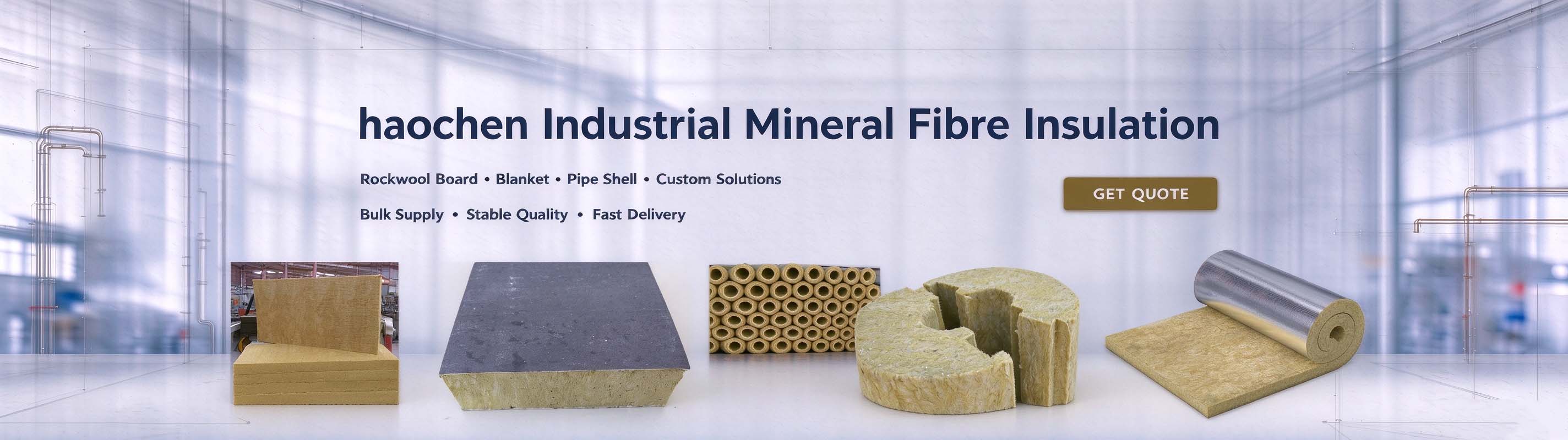
How to Insulate an Internal Wall with Rock Wool Boards
Published:
Views:
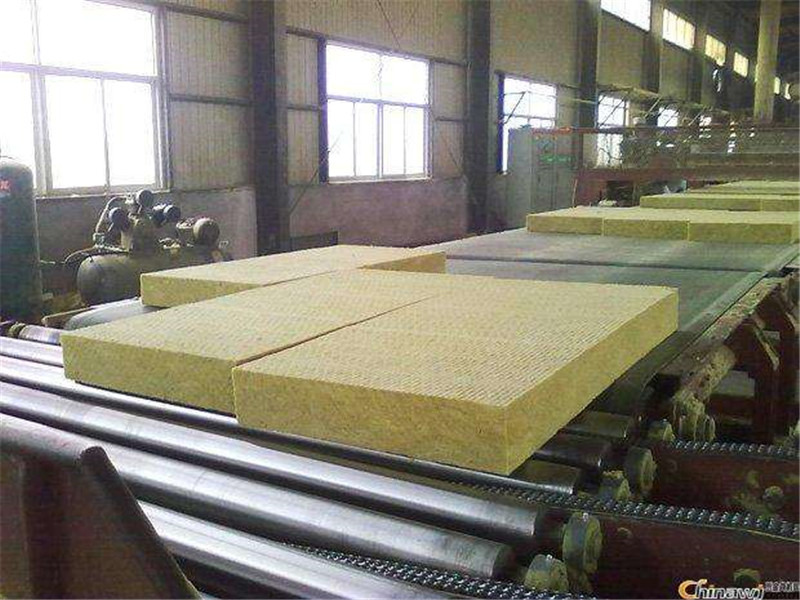
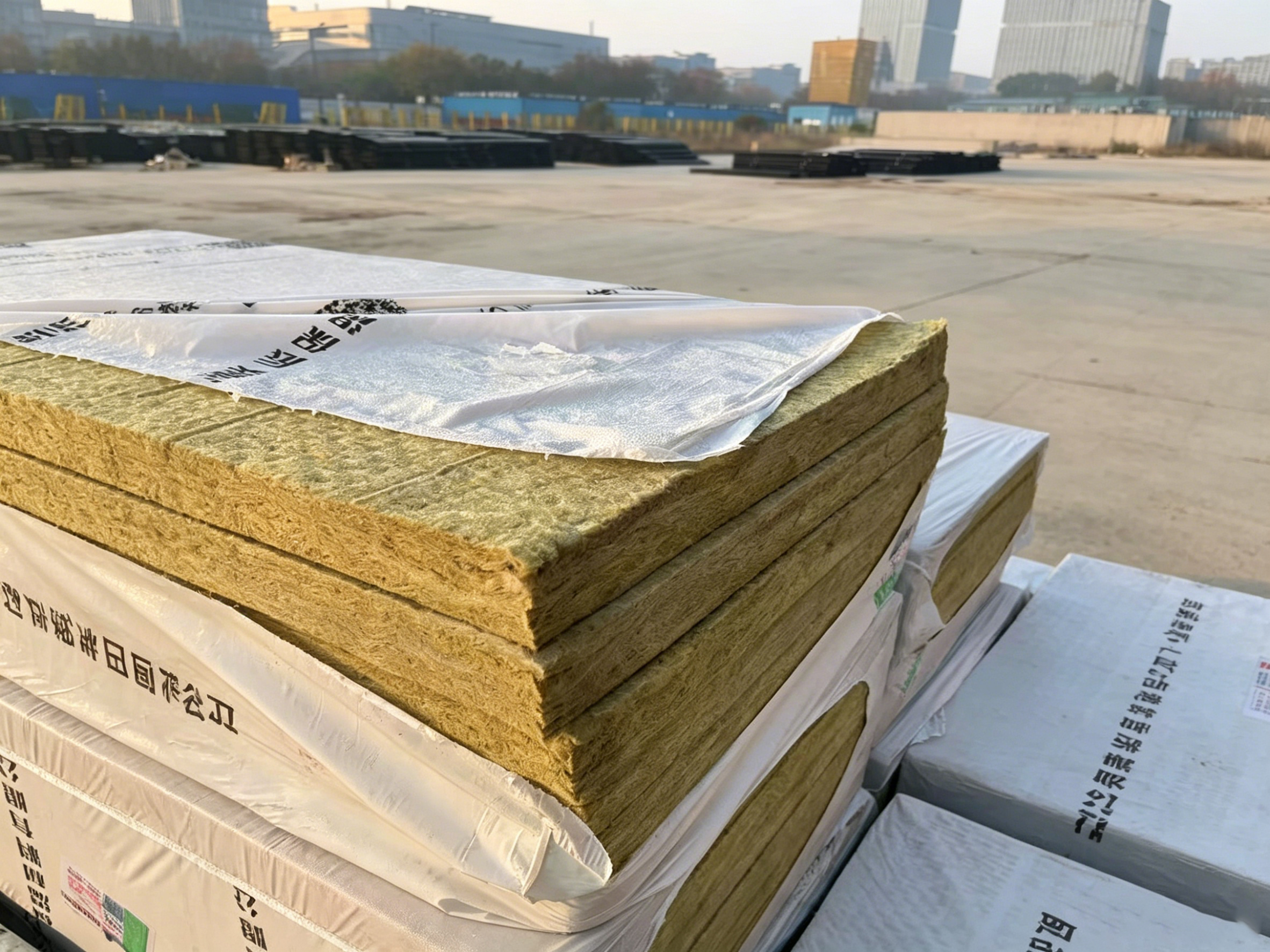
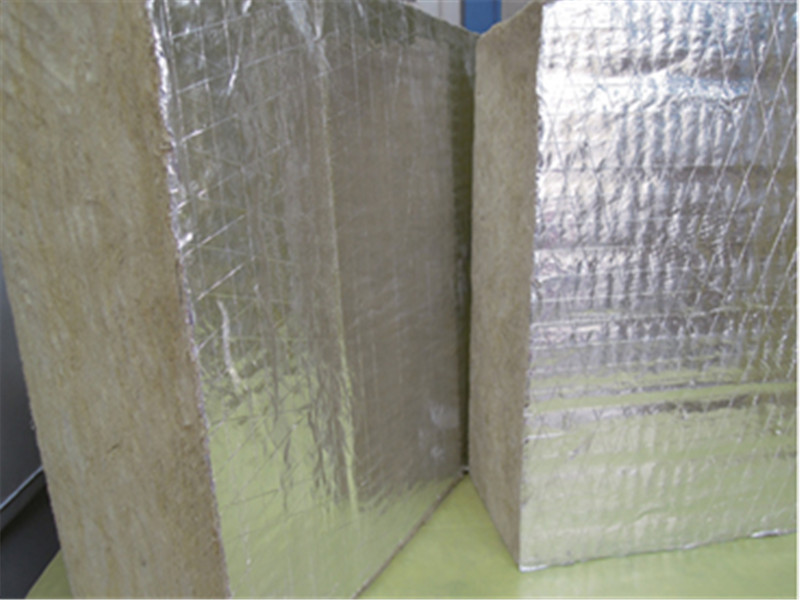
Many buildings, once occupied, often suffer from large indoor temperature fluctuations, high heating and cooling energy consumption, and noise transfer between rooms. Internal wall insulation retrofitting involves installing thermal insulation on the interior side of walls, delivering thermal performance, sound insulation and fire resistance all at once. Rock wool boards are Class A non-combustible inorganic insulation materials with excellent thermal stability and sound absorption, making them the preferred insulation choice for internal wall insulation in domestic residences, factories and offices. As a professional manufacturer of rock wool boards, Haochen Insulation will walk you through the full installation procedure for stud cavity rock wool internal wall insulation, and highlight common pitfalls to avoid during construction.
Important Note: This installation method applies to cavity insulation for dry internal walls. Before work commences, inspect the wall carefully for dampness or water seepage. If the wall is damp, remedial damp-proof treatment must be carried out first. Otherwise, moisture trapped inside the insulation will eventually cause condensation and mould growth.
1. Materials and Tools Required
Materials: Haochen Insulation rock wool boards (density and thickness to match design requirements), light-gauge steel studs or timber battens, vapour control layer, acoustic sealing tape, self-tapping screws, rock wool insulation anchors, plasterboard. Tools: Tape measure, spirit level, utility knife, hand saw, sealant gun. Protective equipment: Dust mask, work gloves, long-sleeved overalls. Rock wool fibres may irritate the skin and respiratory tract, so protective gear must be worn at all times when cutting and fitting the material.
2. Step 1: Substrate Wall Preparation
Remove surface dust, grease and loose plaster, and repair cracks and hollow areas on the wall. Confirm the wall is dry and free from leaks. Measure the height and width of the wall, plan the stud layout, calculate the quantity of rock wool boards required, and reserve trimming allowances around window and door openings.
3. Step 2: Install the Stud Frame
Set out studs to match the width of the rock wool boards. The depth of the studs should equal the thickness of the rock wool boards. Ensure the frame is level, plumb and securely fixed to form uniform cavities for holding the insulation. Timber battens are recommended to be pre-treated against rot; light-gauge steel studs are preferred for humid environments.
4. Step 3: Cut and Fit Rock Wool Boards
Cut rock wool boards to suit each cavity. Cut each piece slightly oversize so the material is held firmly by its own elasticity, with no gaps between boards and studs. Gaps create thermal bridges and greatly reduce thermal and acoustic performance. Never compress the rock wool during fitting. Its insulating performance relies on air trapped within the fibre structure; compression will directly reduce its thermal resistance. Where pipes, cables or electrical boxes run through the cavity, cut matching recesses into the rock wool to accommodate them. Avoid large cutaways that compromise the insulation integrity.
5. Step 4: Lay the Vapour Control Layer (Mandatory for Humid Zones)
For high-humidity areas such as kitchens and bathrooms, fit the vapour control layer over the rock wool once it is installed. Seal all overlaps and corners fully with acoustic tape to stop warm moist air penetrating the insulation and causing condensation. For dry rooms, follow local building regulations to decide whether a vapour control layer is needed.
6. Step 5: Fix the Plasterboard Finish
Fix plasterboard to the outer face of the stud frame to fully cover the rock wool insulation. Control screw depth when fastening plasterboard, and do not drive screws deep into the rock wool.
7. Step 6: Joint Sealing and Decorative Finishing
Apply joint tape to plasterboard joints and fill and smooth the seams. Seal all gaps around skirting boards, windows, doors and wall corners with sealant. Once the plaster has fully cured, painting, panelling or other decorative finishes can be applied.
8. Key Construction Precautions
Rock wool is Class A non-combustible and offers outstanding fire resistance, well suited for partition insulation in factories and offices. Take care not to confuse rock wool boards with mineral fibre ceiling tiles. Mineral fibre tiles have low density and poor structural strength; they are designed mainly for ceiling sound absorption and are unsuitable for long-term internal wall insulation. Stagger board joints wherever possible to eliminate straight through-gaps and improve overall insulation and sound reduction. Avoid working in very low temperatures, rainy or highly humid conditions. Keep the area well ventilated after completion to allow residual moisture inside the wall assembly to disperse.
9. Guidance for Product Selection and Procurement
Before purchasing rock wool boards, clarify the application scenario, required insulation thickness, density and sound insulation targets. Rock wool boards of different densities vary significantly in compressive strength, pull-out resistance and sound absorption. Share your site requirements clearly with the supplier to select the most suitable Haochen Insulation rock wool product.


 Hot Picks