

Internal Wall Insulation: Rock Wool Board Buying Guide
Published:
Views:
Haochen Thermal Insulation is a professional manufacturer of rock wool boards. Today we share guidance on selecting rock wool boards for internal wall insulation. Internal wall insulation works under very different conditions compared with roof or curtain wall insulation. Many buyers select rock wool boards following the standards for external walls. This may lead to unnecessary extra costs, or unsuitable specifications that result in poor sound absorption, falling boards and cracking over time. Typical internal wall applications include heat insulation for separating walls, interior partition walls and noise reduction for machine room linings. Material selection should take fire safety, sound absorption, thermal performance and indoor construction conditions into full consideration.
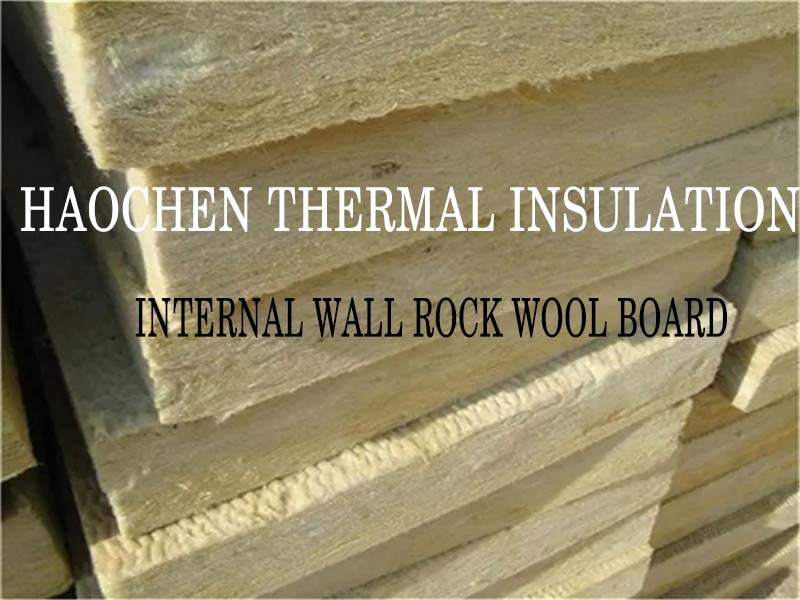
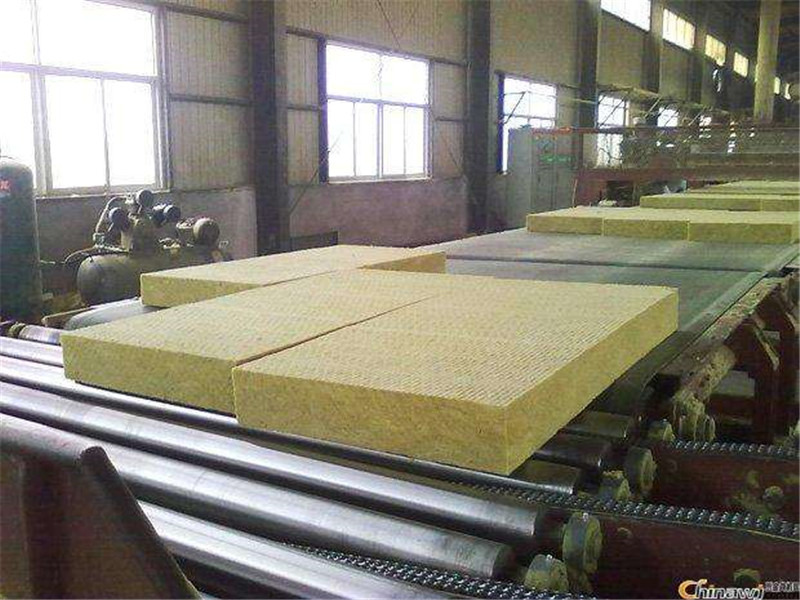
Class A non-combustible basalt rock wool board is the preferred choice for internal wall insulation. It is produced from natural volcanic rocks such as basalt and diabase, melted above 1400°C and spun into fine fibres. It will not burn or emit toxic smoke in a fire, meeting fire inspection requirements for indoor buildings. The interwoven porous fibre structure delivers reliable thermal insulation together with excellent sound absorption. It is ideal for separating walls, KTV rooms, machine rooms and office partitions where noise transmission needs to be controlled.
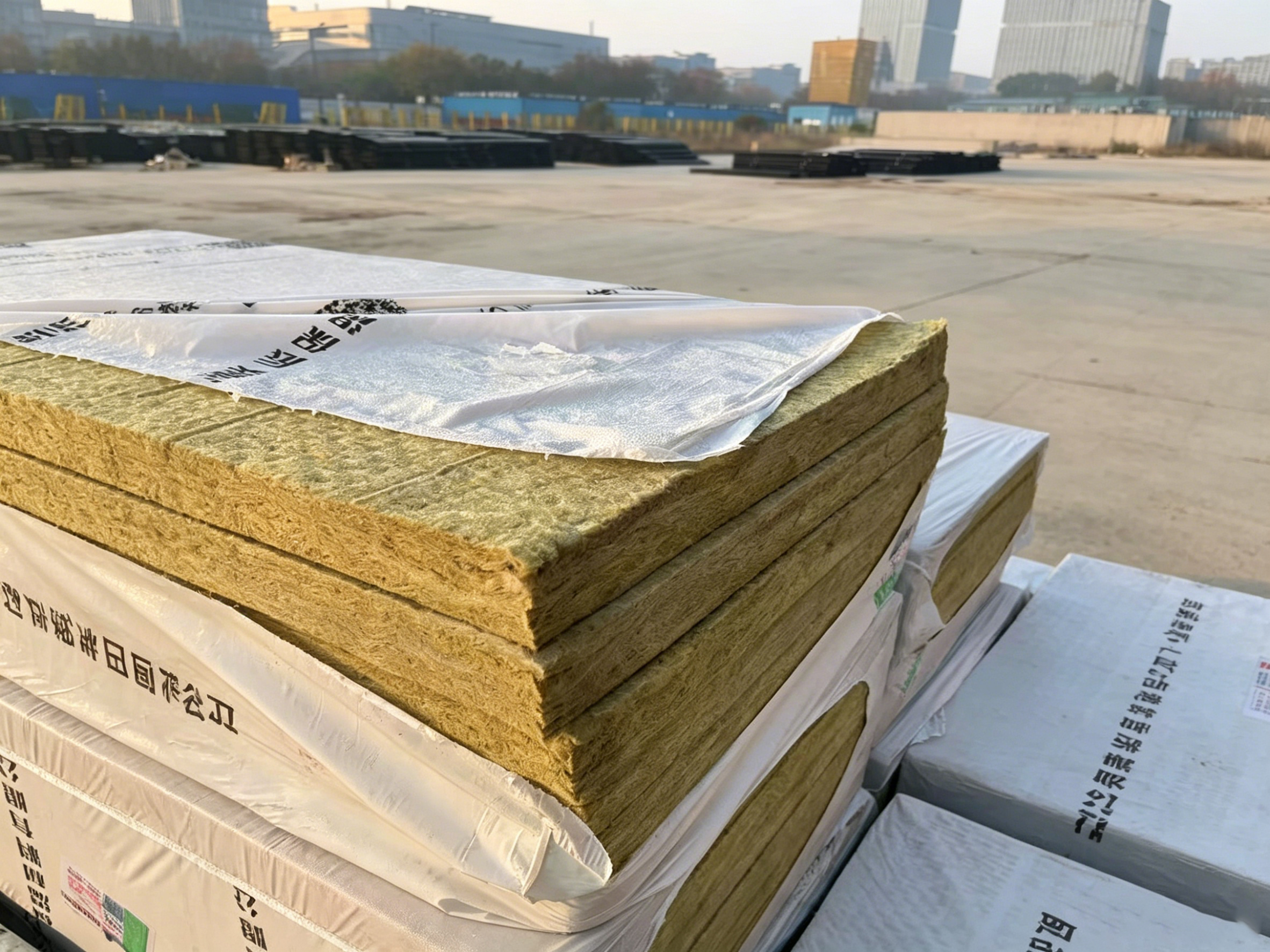
Density is the key specification when choosing rock wool boards for internal walls. For standard internal wall insulation mainly for energy saving without heavy impact loads, medium or low-density rock wool board is suitable. It is flexible and easy to cut, offering better cost efficiency. High-density rock wool board is recommended for separating walls and machine room partitions requiring high sound insulation. Its compact fibre structure delivers superior acoustic performance and deformation resistance. If heavy fixtures will be mounted on the wall later, extra base reinforcement must be arranged, as the insulation board itself cannot bear heavy loads.
Thermal conductivity determines insulation efficiency. Internal wall insulation reduces heat transfer between adjacent rooms and stabilises indoor temperature. Lower thermal conductivity means better insulation performance. You may also check the acidity coefficient. Rock wool with a high acidity coefficient has stable fibres that resist degradation and dusting during long-term indoor use, extending service life. Internal walls are usually dry, so water repellency is not as critical as for roof insulation. Nevertheless, water-repellent rock wool is still recommended for basements and damp rooms to avoid performance loss caused by moisture.
Many buyers confuse internal wall rock wool board with mineral wool ceiling board. Mineral wool boards are designed for ceiling sound absorption and lack sufficient strength to be used as wall insulation. Low-density glass wool has good sound absorption but weak structural stability; it tends to loosen and creates difficulties for finishing works when used on walls. Specially made rock wool boards remain the top pick for internal walls, balancing thermal insulation, fire resistance and sound absorption.
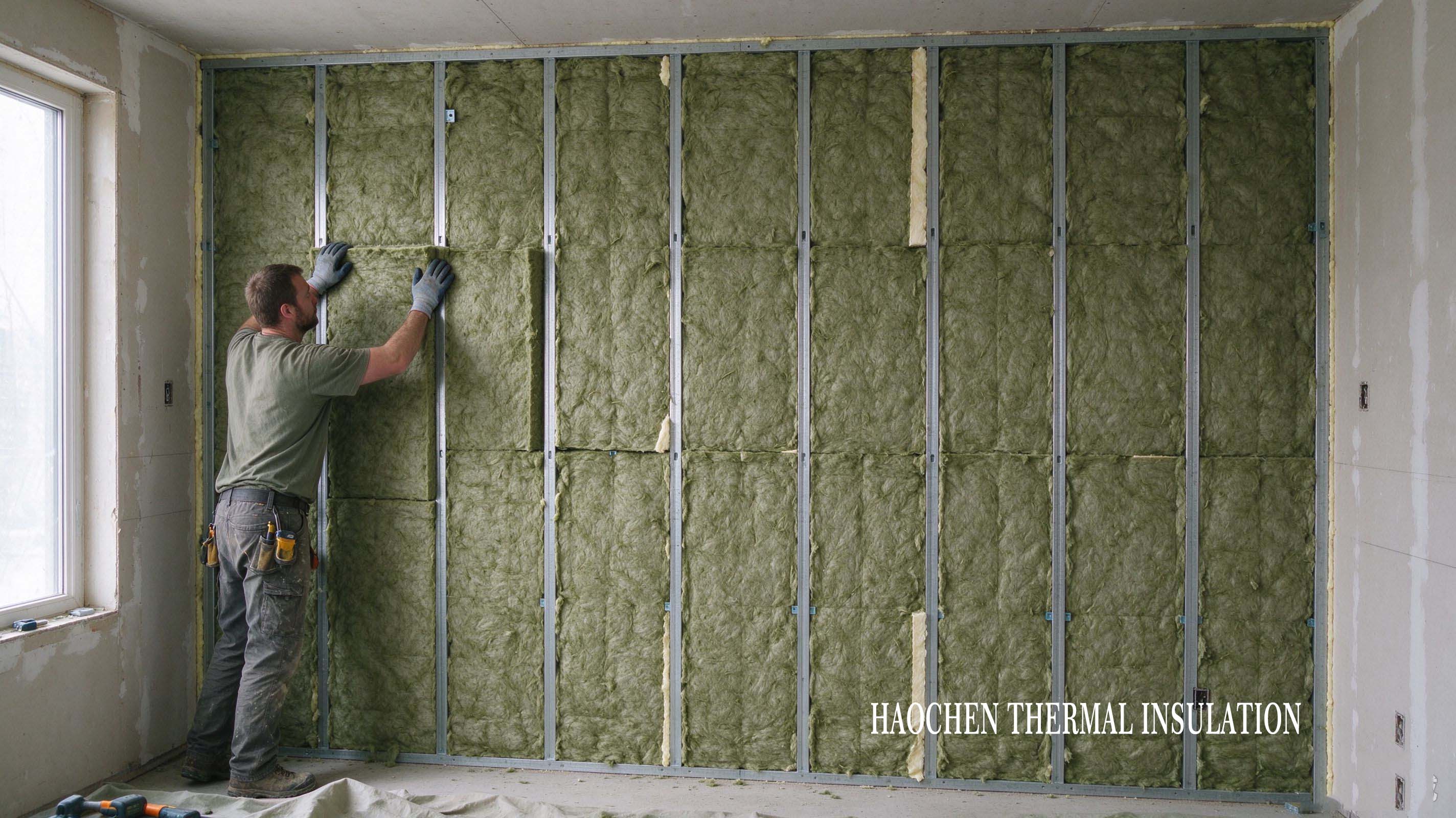
Construction quality greatly affects the final performance of internal wall insulation. Adequate adhesive coverage and mechanical fixing with anchors are required to prevent hollow bonding and falling off. Stagger the board joints and seal gaps properly to minimise acoustic bridges and thermal bridges. Use compatible mortar for skim coating or cladding to avoid cracking of the finished surface.
To sum up: standard internal wall insulation can use appropriately graded rock wool boards balancing insulation and budget. High-density sound-absorbing rock wool is preferred for separating walls, machine rooms and noise-sensitive areas. Water-repellent grades are selected for damp interior walls. When ordering internal wall rock wool boards, inform us of the wall function, requirements for sound insulation and fire rating, and wall dimensions. Haochen Thermal Insulation will match the correct rock wool specification for your project.


 Hot Picks