

Is stone wool the same as rock wool?
Published:
Views:
s a manufacturer of rock wool boards, Haochen Insulation would like to clarify the differences between rock wool boards and mineral wool boards.
When sourcing insulation materials and communicating on engineering projects, many buyers confuse rock wool boards with mineral wool boards and regard them as the same product. Although both fall under mineral wool products, they differ substantially in raw materials, physical properties and application scenarios, so careful selection is essential.
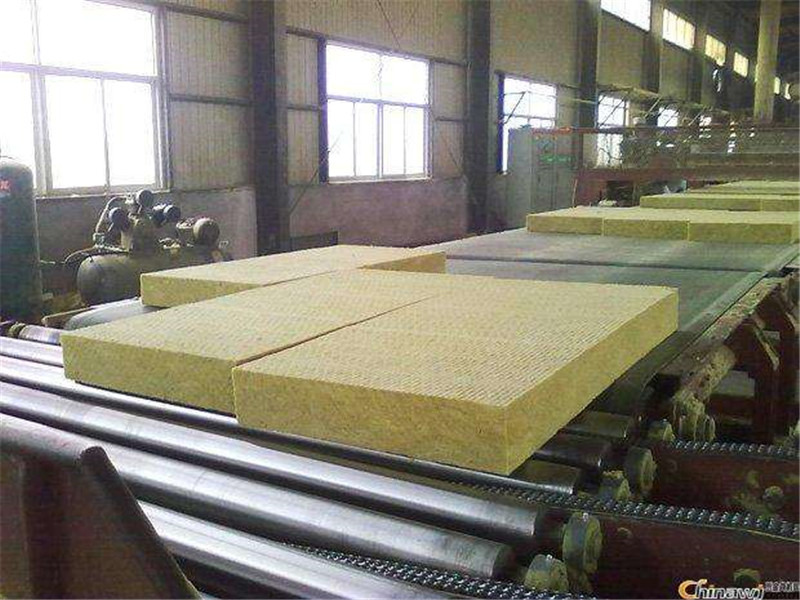
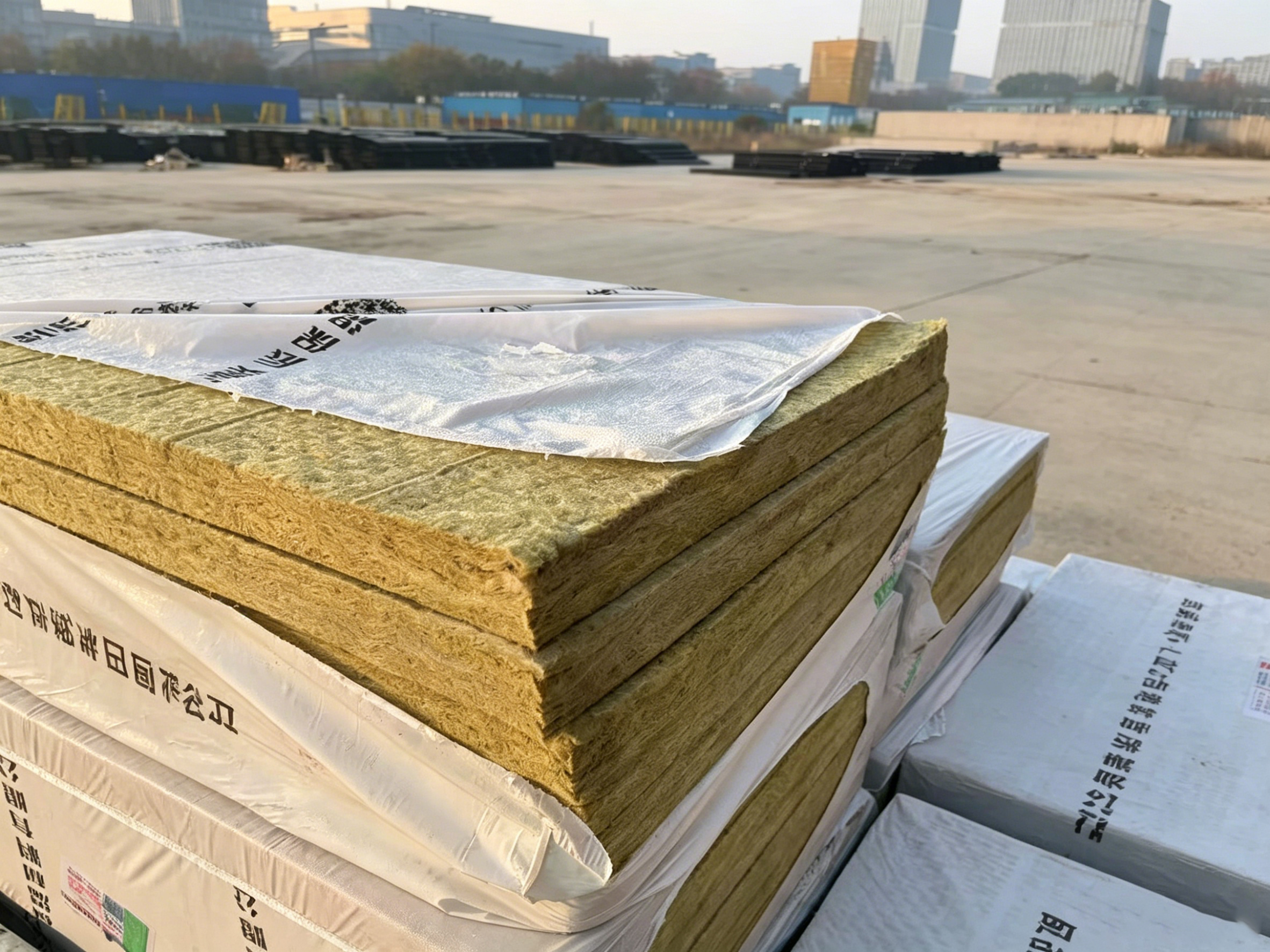
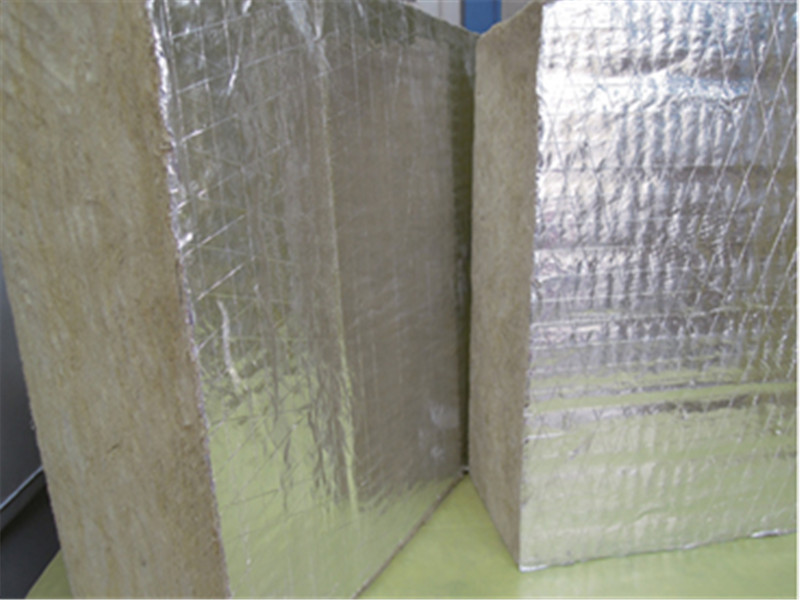
Rock wool boards are manufactured from natural volcanic rocks such as basalt and diabase. These raw materials are melted at temperatures above 1400°C, spun into fine fibres, mixed with binders and pressed into rigid boards. Rock wool boards feature a relatively high density, outstanding compressive strength and tensile bond strength, together with a stable acidity coefficient and water-repellent properties. They are high-temperature resistant, ageing-resistant and classified as Class A non-combustible material. They are suitable for continuous external wall insulation, curtain wall infill, roof thermal insulation, industrial equipment insulation and pipe insulation applications.
Common mineral wool boards available on the market are decorative acoustic panels produced by a wet process, mainly using blast-furnace slag and other industrial slags as raw materials. Mineral wool boards are low-density and lightweight, with acoustic absorption as their primary function. They are widely used for indoor suspended ceilings and acoustic treatment in plant rooms. Mineral wool boards may be adopted for acoustic purposes in some curtain wall, roof, equipment and pipe schemes, yet their compressive strength and tensile performance are poor, and moisture resistance is limited. They cannot meet stringent requirements for load-bearing capacity, weather resistance and long-term thermal stability in such locations.
At the procurement stage, it is vital to define the intended application and required technical parameters. There is also a price difference between the two materials; rock wool boards cost more than mineral wool boards. Material selection should never be based on price alone, otherwise the chosen product may fail to satisfy on-site engineering requirements.
In summary, the two materials serve distinct purposes and are not interchangeable. Rock wool boards deliver reliable fire protection and thermal insulation with superior mechanical performance and a wider range of uses. Mineral wool boards are designed primarily for indoor acoustic decoration. When placing an enquiry, you may share your technical specifications or project application so that the correct material can be recommended.


 Hot Picks