

Fire, Sound and Thermal Insulation Materials
Published:
Views:
Haochen Thermal Insulation is a professional manufacturer of insulation materials. Today we share key knowledge on selecting fireproof, sound-absorbing and thermal insulation materials. Many engineering projects require materials that deliver heat insulation for energy saving, fire safety and noise reduction at the same time. Buyers often confuse the performance limits of different materials, which may lead to failed inspection or unsatisfactory results on site.
Fire resistance, sound insulation and thermal insulation are three separate performance attributes. No single material can achieve the top rating in all three areas. Before selection, you need to clarify your project priority: whether fire rating, noise reduction or thermal efficiency comes first, then pick suitable mineral wool products according to the working conditions and budget.
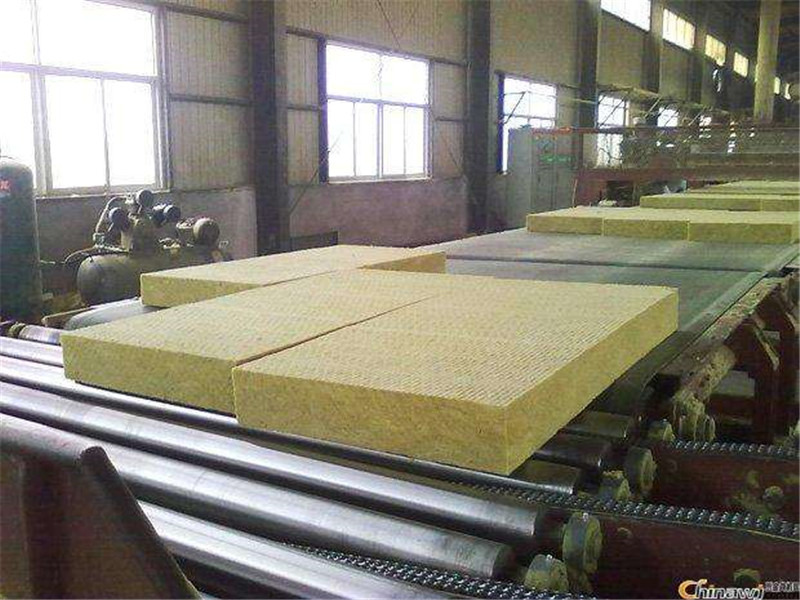
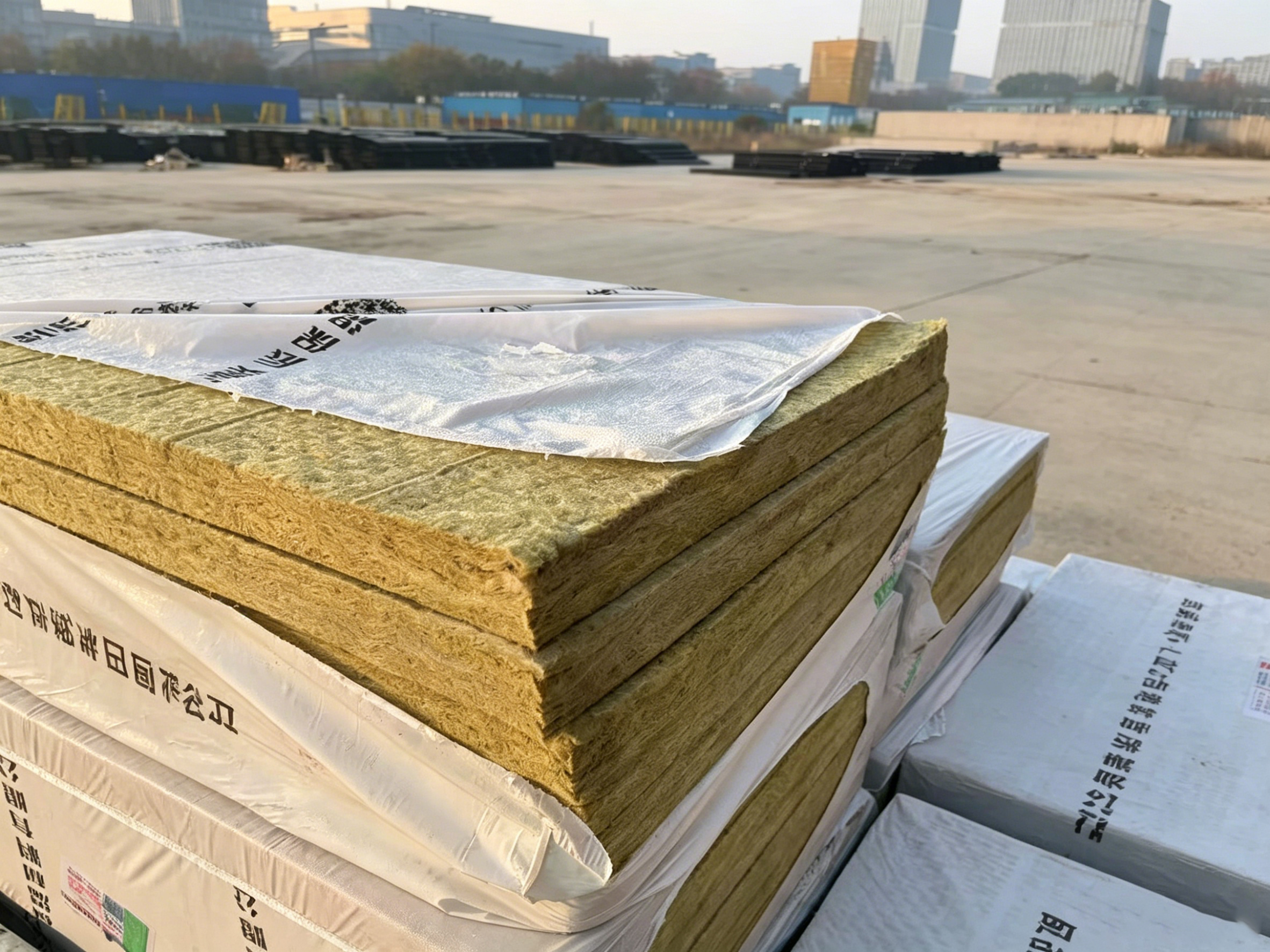
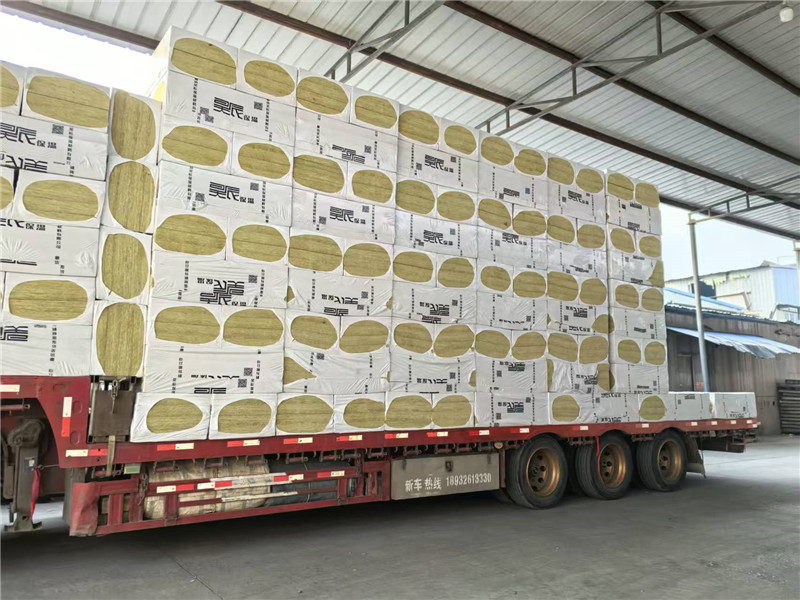
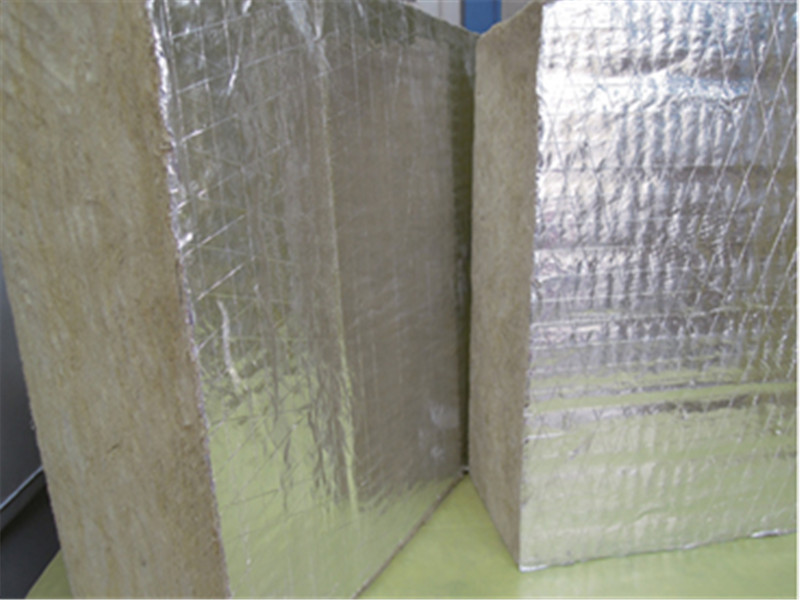
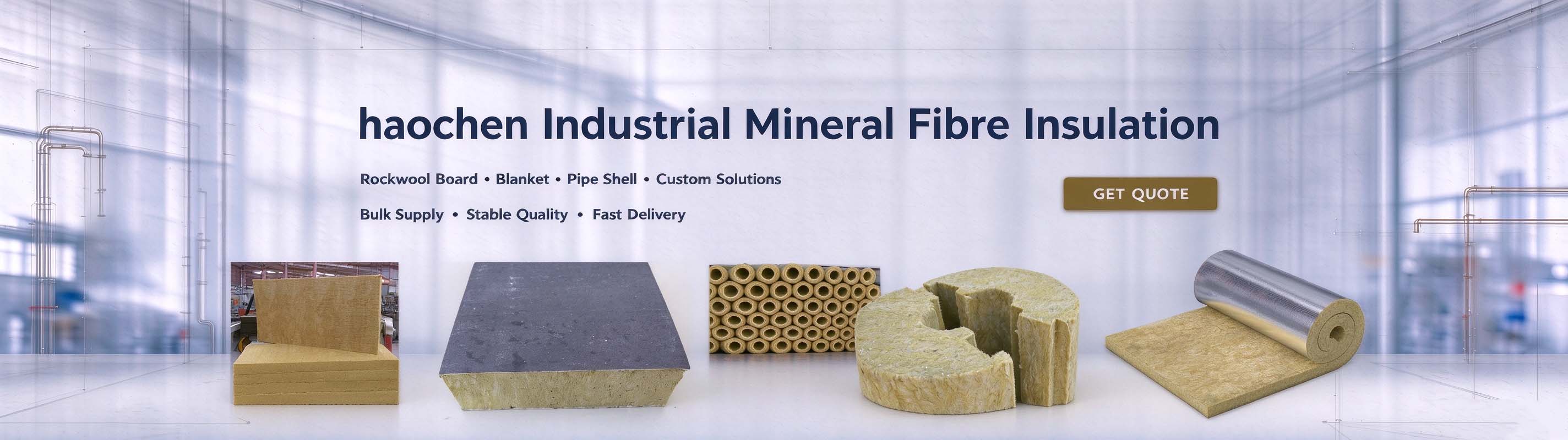
Rock wool board is the mainstream option that balances all three functions. It is manufactured from natural volcanic rocks such as basalt and diabase, melted at over 1400°C and spun into fine fibres. Classified as non-combustible Class A material, it will not burn or release toxic smoke when exposed to open flame, offering reliable fire protection. Its densely interlaced porous fibre structure traps air inside the gaps. This blocks heat transfer for stable thermal insulation and absorbs sound waves to reduce noise transmission, giving good sound absorption performance. Rock wool board is water-repellent and suitable for curtain wall filling, roof insulation, industrial equipment insulation, pipe insulation, machine room partition walls and more. It is widely used in exterior wall projects, mechanical and noise reduction works.
Mineral wool ceiling board is also a mineral wool product and is frequently mixed up with rock wool board. Common mineral wool boards are made from blast furnace slag by wet forming processes. Its core advantage is sound absorption, and it is lightweight for indoor suspended ceilings and sound absorption inside machine rooms. However, mineral wool board has low density, poor compressive and pull-out strength, and limited moisture resistance. Its fire rating is generally lower than rock wool board, so it is not suitable for exterior walls, roofs or other exposed locations with strict fire requirements. Mineral wool board is a cost-effective choice if you only need indoor ceiling sound absorption. For exterior works requiring fire resistance, thermal insulation and long-term durability, rock wool board is preferred.
Apart from mineral wool series, glass wool and ceramic fibre are also available for different demands. Glass wool has fine fibres and excellent sound absorption with light weight, commonly used for air duct insulation and indoor noise control. Ceramic fibre can withstand extremely high temperatures for industrial kiln insulation, yet its cost-performance for ambient temperature insulation is inferior to rock wool.
When purchasing fireproof, sound and thermal insulation materials, do not judge only by samples. Confirm three core requirements in advance: required fire rating, thermal conductivity (thermal insulation index) and noise reduction parameters. Also check whether the installation environment is humid or exposed. Rock wool boards of different densities vary greatly in thermal performance, sound insulation and structural strength. High-density rock wool delivers better sound insulation and mechanical strength at a higher price.
Bear in mind that proper installation is just as important as material quality. Even if the material meets all specifications, poor sealing at joints and improper overlaps will create thermal bridges and acoustic bridges, weakening insulation, soundproofing and fire sealing performance.
To sum up: Class A rock wool board provides the best overall cost performance for most projects needing fire resistance + thermal insulation + sound insulation. Mineral wool ceiling board works for indoor ceiling sound absorption; glass wool is the lightweight choice for air duct noise control; ceramic fibre is reserved for high-temperature industrial heat shielding. When placing an order, inform the supplier of your application scenario and required parameters, so the correct product specification can be matched and costly rework can be avoided.
Previous Article
Is stone wool the same as rockNext Article
Flat and Pitched Roof Rock Woo

 Hot Picks