

What is Stone Wool and What is it Used for
Published:
Views:
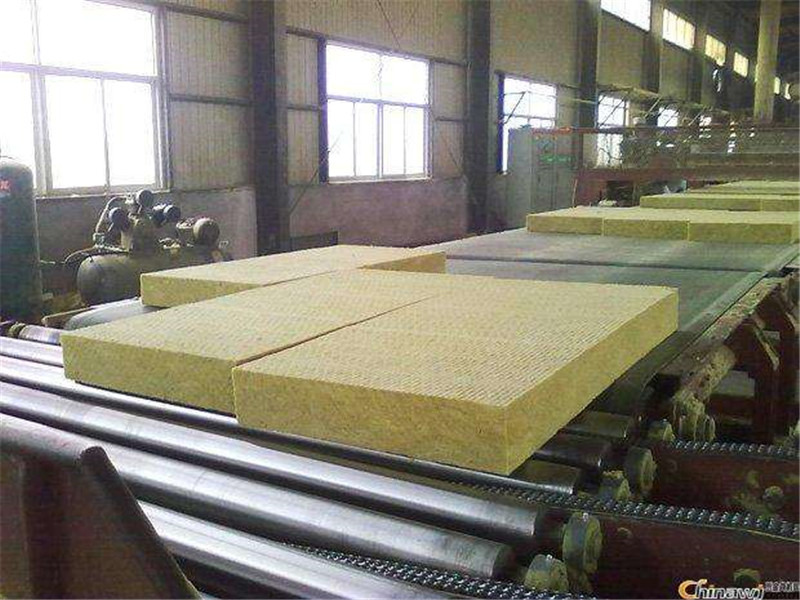
Stone wool is a man-made inorganic mineral fibre insulation material, commonly referred to as stone wool or rock wool within the industry. It is manufactured primarily from natural igneous rock such as basalt and diabase, together with a small quantity of fluxing additives. The raw materials are melted at approximately 1500°C, before being spun into fine inorganic fibres by high-speed centrifugation. Binder, dust suppressant and water repellent are then incorporated, followed by fibre collection and thermal curing to form the finished product. Classified as A1 non-combustible insulation, it is a preferred material for building energy efficiency, passive fire protection and industrial thermal insulation.
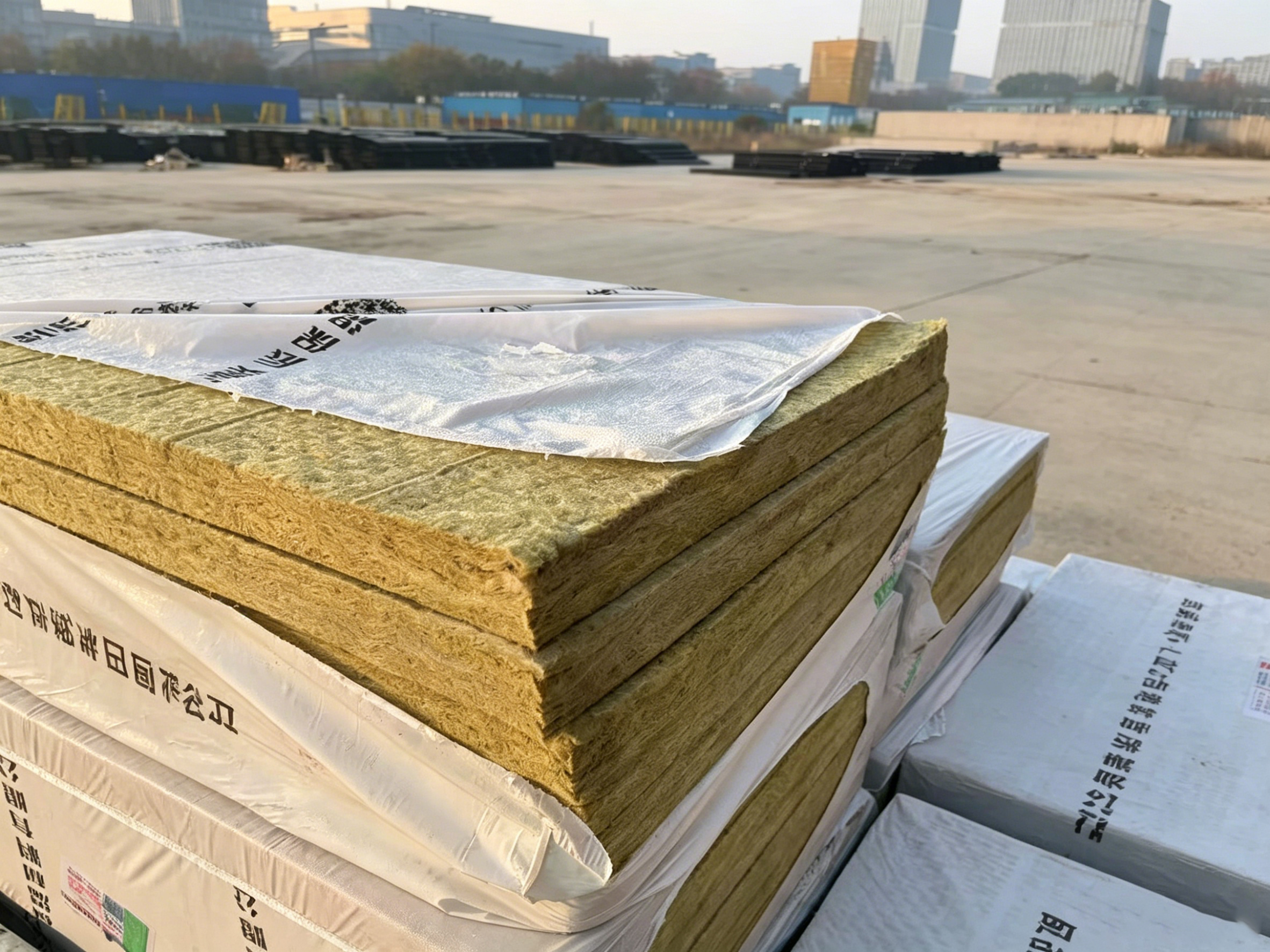
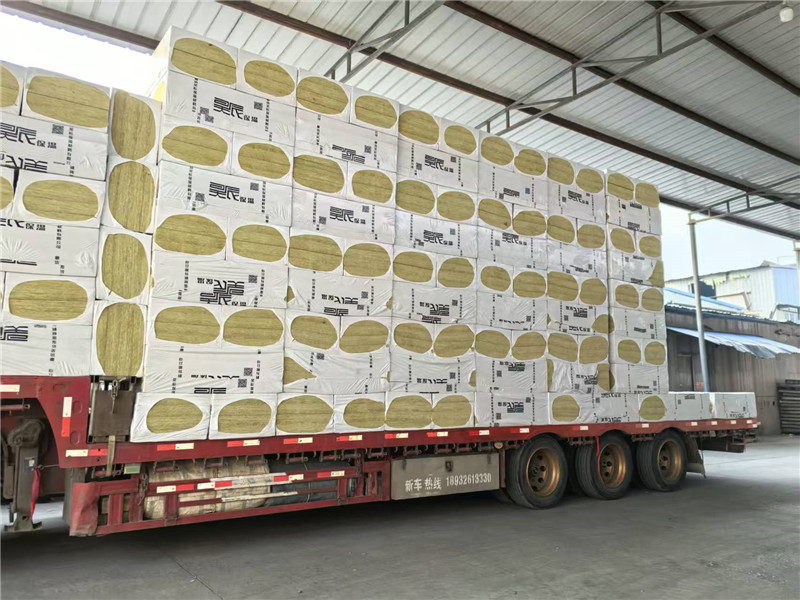
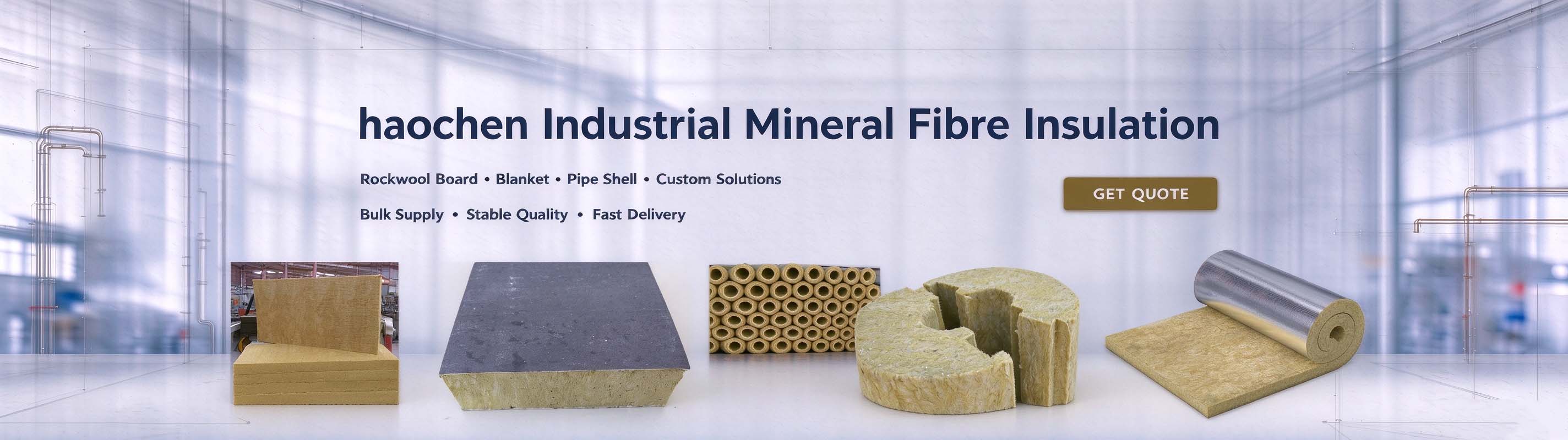
HaoChen Insulation has specialised in the manufacture of stone wool products for many years. Our full range includes stone wool boards, stone wool blankets, stone wool pipe sections, fire breaks and acoustic slabs. Customisation of density and thickness is available, with products engineered to meet a wide range of national and international engineering standards.
Many clients confuse stone wool with slag wool. Although both fall under the broader mineral wool category, there are significant differences in raw material and performance. Stone wool is produced from natural rock, offering a high modulus of acidity, excellent chemical stability, moisture resistance and long-term resistance to fibre degradation. Slag wool, by contrast, is generally made from metallurgical slag, with inferior temperature resistance, water resistance and durability, and is not recommended for certain fire-critical applications. High-quality stone wool has a low shot content; its interlaced fibre matrix creates an open porous structure, which underpins its comprehensive functional properties.
Key performance characteristics of stone wool:
✅ Fire performanceAs an A1 non-combustible material with a high melting point, stone wool will not ignite. It emits no toxic fumes and produces no molten drips under fire conditions, acting as an effective barrier to flame spread. It is therefore the insulation of choice for high-rise buildings and high-occupancy developments.
✅ Thermal insulationIt achieves low thermal conductivity by trapping static air within its fibrous pores, restricting heat transfer and reducing heat loss or gain. Its thermal performance remains stable over the service life to sustain long-term energy savings.
✅ Acoustic absorptionThe open porous structure absorbs mid-to-high frequency sound and reduces sound reflection, making it suitable for acoustic treatment in plant rooms, partition walls, lift shafts and equipment enclosures.
✅ Water repellencyHydrophobic stone wool can achieve a water repellency of over 98%. It resists water ingress and avoids substantial deterioration in thermal performance when exposed to damp conditions.
✅ Durability and stabilityBeing inorganic, stone wool is resistant to mould, rot and insect attack. It is ageing-resistant and can deliver a service life matching that of the building fabric. Its chemically inert nature means it is largely non-corrosive to steelwork and pipework.
✅ Breathability and environmental performanceSourced from natural rock, it has a low organic content and is vapour permeable. Water vapour within the wall assembly can disperse outwards, reducing the risk of interstitial condensation.
Thanks to this combination of properties, stone wool is suitable for a broad spectrum of applications:
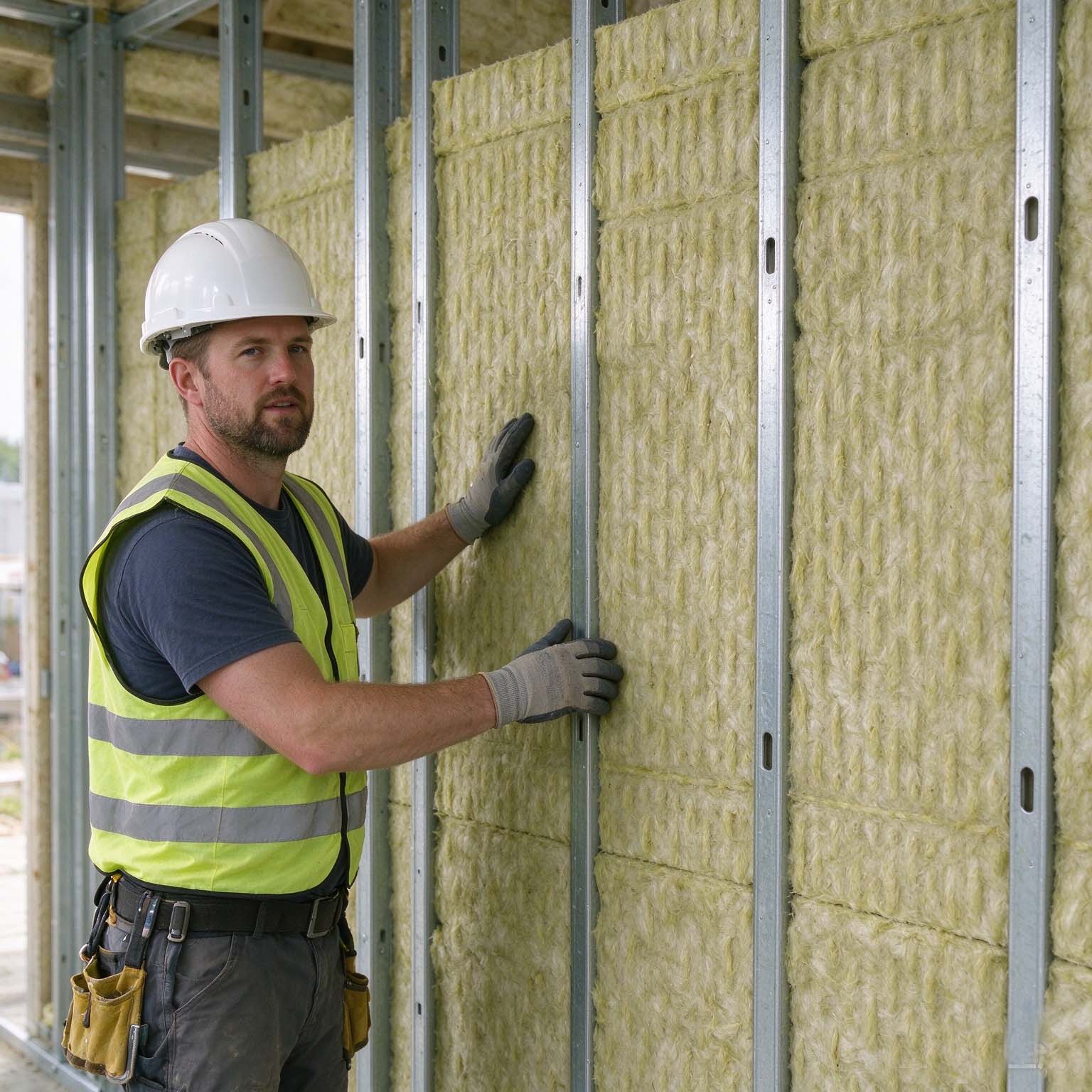
✅ External wall insulationUsed as the core insulation component within external wall insulation systems for residential and commercial buildings, balancing energy efficiency with fire safety and compatible with thin-coat render systems.
✅ Roof and curtain wall insulationSuitable for steel frame roofs, concrete flat roofs, curtain wall backing insulation and inter-floor fire stopping, delivering integrated thermal and fire performance for curtain wall constructions.
✅ Internal acoustic and partition applicationsInstalled in separating partitions, suspended ceilings, lift shafts, air-handling plant rooms and fan chambers to reduce sound transmission.
✅ Passive fire protectionDeployed as cavity barriers, fire breaks, fire barriers and penetration seals for pipe and service risers, complying with fire engineering requirements to restrict vertical flame spread.
✅ Industrial thermal insulation for pipework and plantWidely specified for boilers, steam pipes, hot air ducting, storage tanks, kilns, power stations and chemical process plant to minimise heat loss and cut operational energy consumption. Stone wool pipe sections and blankets are ideal for wrapping curved pipe surfaces.
✅ Specialist engineering sectorsSpecified for marine, rail transport, container and cold chain projects where stringent fire, thermal and acoustic requirements apply.
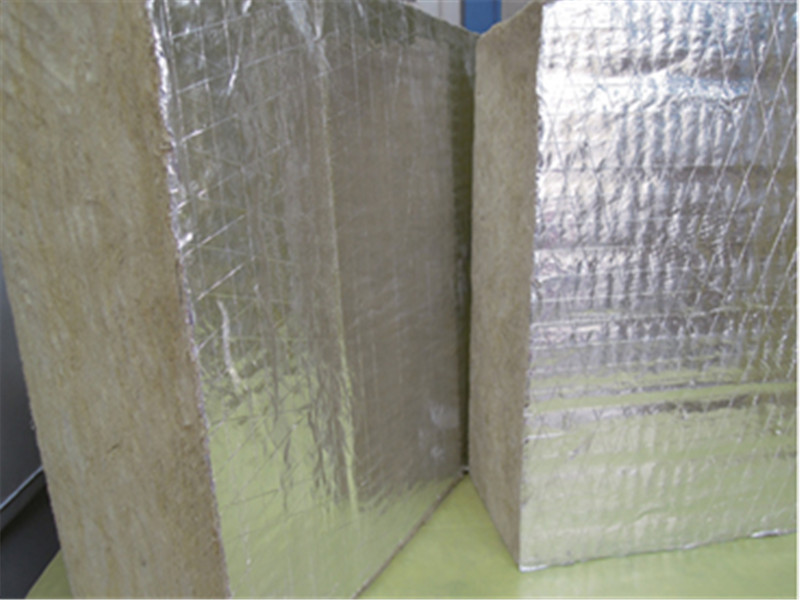
Stone wool can be fabricated to suit site requirements, with facings such as aluminium foil or glass tissue bonded to the surface for different service environments. HaoChen Insulation maintains strict control over raw material formulation and production processes. We can advise on stone wool grades with appropriate density and mechanical strength for project-specific conditions, supplying both domestic and export orders with technical support and a full supply service.
Stone wool and rock wool are interchangeable names for the same inorganic mineral fibre insulation. For further details on stone wool properties and uses, see What is stone wool and what is it used for?
Previous Article
Comfortboard 80 vs Haochen 140Next Article
No moreShare


 Guides
- Comfortboard 80 vs Haochen 140 kg/m³ Basalt Rock Wool Board: Performance & Price Comparison
- Basalt Rock Wool Board for External Wall Insulation
- China Rock Wool Board Factory: Stable Supply Source of Rock Wool Insulation Products
- Is Rock Wool Board Fire Resistant?
- What is the difference between rock wool board and mineral wool board
- Rock Wool Board vs EPS vs XPS: Which Insulation Material Is Better?
- Why Choose Stone Wool Insulation?
- Why Choose Rock Wool Insulation Board?
- Will it burn? Fire safety & non-combustible building materials
 Hot Picks