

Rock Wool Board vs EPS vs XPS: Which Insulation Material Is Better?
Published:
Views:
When doing external wall insulation, roof insulation and interior insulation, rock wool board, EPS board and XPS board are the three most commonly used insulation boards in construction projects. Many project owners and constructors struggle to decide which one to choose. There is no universal best material. The right choice depends on project codes, application positions and budget, as their performance varies greatly.
Rock Wool Board (Basalt Rock Wool Board)
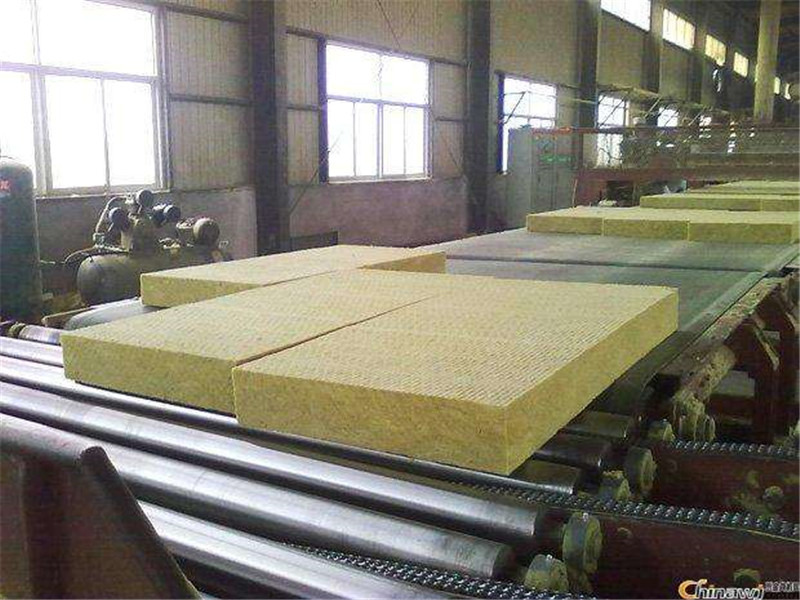
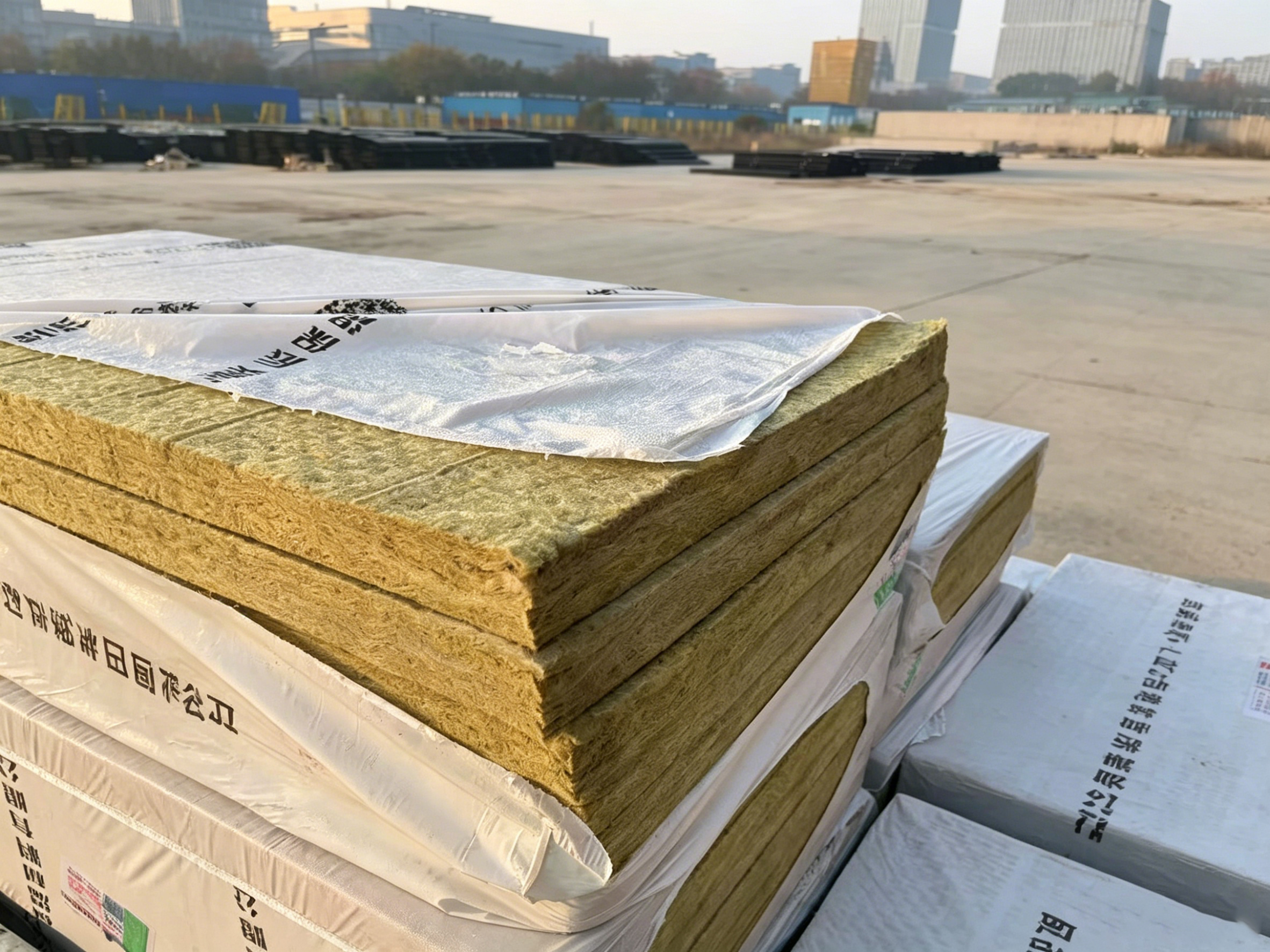
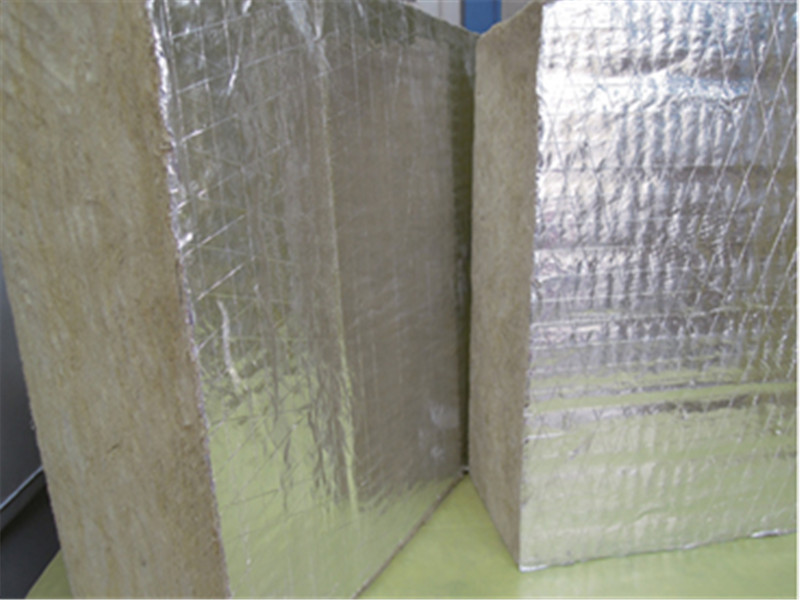
Rock wool board is made from basalt melted at 1450℃ and centrifuged into fibers. It is an inorganic fiber insulation material. ✅ Advantages It reaches A1 non-combustible fire rating. It will not burn, drip molten substances or release highly toxic smoke under fire. It features excellent vapor permeability, allowing moisture inside the wall to escape smoothly, reducing risks of hollowing, alkali efflorescence and falling off. Its porous fiber structure delivers outstanding sound absorption. It is aging-resistant, rot-proof and insect-proof with stable long-term performance. ❌ Disadvantages Ordinary rock wool easily absorbs water, so water-repellent type is required for external wall use. It is heavier, which puts higher requirements on adhesive mortar and anchor fixing. Its fibers may irritate skin, so protective measures are needed during construction. Its unit price is higher than EPS and XPS. Application scenarios: External wall insulation systems for high-rise buildings, curtain wall insulation, fire barriers, machine rooms, recording studios and other places requiring sound insulation.
EPS (Expanded Polystyrene Board)
Commonly known as white foam board, EPS is an organic insulation material.
✅ Advantages Lightweight, easy to cut and mature in construction. Stable thermal insulation performance with the lowest price among the three and good cost performance. Low weight brings little load to walls.
❌ Disadvantages It is combustible organic material, normally B2 grade. Fire codes restrict its use on external walls of most high-rise buildings. Poor vapor permeability, moisture is easily trapped inside the board. Low compressive strength and prone to deformation under long-term pressure. Application scenarios: External wall insulation for low-rise buildings, interior insulation, floor heating insulation layer and packaging cushioning.
XPS (Extruded Polystyrene Board)
XPS is extruded foam board with closed-cell structure, usually blue or red in the market.
✅ Advantages Closed-cell structure brings extremely low water absorption and excellent waterproof performance. High compressive strength and not easy to deform. Stable thermal insulation effect.
❌ Disadvantages It is also combustible organic material with limited fire rating, and banned for external walls of many high-rise projects. It has the poorest vapor permeability. Moisture tends to accumulate between the board and base wall, which eventually causes insulation failure. Large shrinkage rate after long-term use, easy to crack at joints. More expensive than EPS. Application scenarios: Roof insulation, underground exterior walls, foundation, floor heating, road base and other places requiring waterproofing and compression resistance.
Performance Comparison Table
| Items | Rock Wool Board | EPS | XPS |
|---|---|---|---|
| Fire Rating | A1 Non-combustible | B2/B1 | B2/B1 |
| Water Absorption | High (water-repellent treatment required) | Medium | Extremely Low |
| Vapor Permeability | Excellent | Poor | Poorest |
| Compressive Strength | Medium | Low | High |
| Sound Absorption | Best | Average | Poor |
| Price | Highest | Lowest | Medium |
Selection Suggestions
If your project is for high-rise external walls or curtain walls with strict fire inspection, rock wool board is preferred. For low-rise buildings, limited budget and loose fire requirements, EPS can be adopted to cut costs. For roof, underground and foundation positions, XPS is the first choice for its waterproof and compression-resistant advantages.
Irreplaceable Advantages of Rock Wool Board
In terms of fire resistance and sound insulation, rock wool board cannot be replaced by organic insulation materials such as EPS and XPS. EPS and XPS are organic polymer foam materials. Even after flame retardant modification, they can only reach B1/B2 flame-retardant grade. They will melt under high temperature and release toxic smoke, which will accelerate the spread of fire once it breaks out. Rock wool is made of inorganic mineral fiber. Its A1 non-combustible feature can effectively block horizontal and vertical flame spread under high temperature. It is a required material for external wall fire barrier and curtain wall insulation of high-rise buildings to meet strict fire acceptance standards.
Meanwhile, the interconnected porous fiber structure inside rock wool can absorb sound waves and reduce noise, with sound absorption capacity far better than closed-cell EPS and XPS. For projects such as machine rooms, KTVs, recording studios and office partition walls with noise reduction requirements, organic foam boards cannot achieve equivalent acoustic effects. When the project requires both fire prevention and sound insulation, rock wool board is an irreplaceable insulation solution. This is the fundamental reason why rock wool external insulation is specified for many large public buildings and high-rise residential projects.
Previous Article
Why Choose Stone Wool InsulatiNext Article
No moreShare


 Guides
- Why Choose Stone Wool Insulation?
- Why Choose Rock Wool Insulation Board?
- Will it burn? Fire safety & non-combustible building materials
- Fire-Resistant Internal Wall Insulation Boards
- Thermal & Acoustic Internal Wall Insulation Rock Wool
- How to Install Stone Wool Board for External Wall Insulation
- How to Insulate an Internal Wall with Rock Wool Boards
- Internal Wall Insulation: Rock Wool Board Buying Guide
- Flat and Pitched Roof Rock Wool Board Buying Guide
 Hot Picks